Guide
Acupuncture for Sciatica
Evidence note: This comparison uses manufacturer specifications, published research, and independently reported owner feedback.
Evidence note: This comparison uses manufacturer specifications, published research, and independently reported owner feedback. We have not independently verified laboratory measurements, clinical outcomes, or long-term-use claims.
By Sciatica Spot Editorial Team
Acupuncture reduces sciatic nerve pain in 60–70% of patients who complete a full course of treatment. Clinical trials show it outperforms sham treatment, NSAIDs, and physical therapy alone for lumbar radiculopathy. This guide reviews the evidence, explains how it works, outlines treatment protocols, and covers effective at-home alternatives when clinic access is limited.
Table of Contents
- What the Research Says
- How Acupuncture Treats Sciatic Nerve Pain
- Key Acupuncture Points for Sciatica
- Acupuncture vs. Other Sciatica Treatments
- How Many Sessions Do You Need?
- Cost and Insurance Coverage
- At-Home Acupressure Alternatives
- Best Products for At-Home Relief
- Combining Acupuncture With Other Treatments
- Frequently Asked Questions
- Sources
What the Research Says
The evidence base for acupuncture in sciatica has grown substantially over the past decade. Here is what the highest-quality studies show.
The Key Clinical Trials
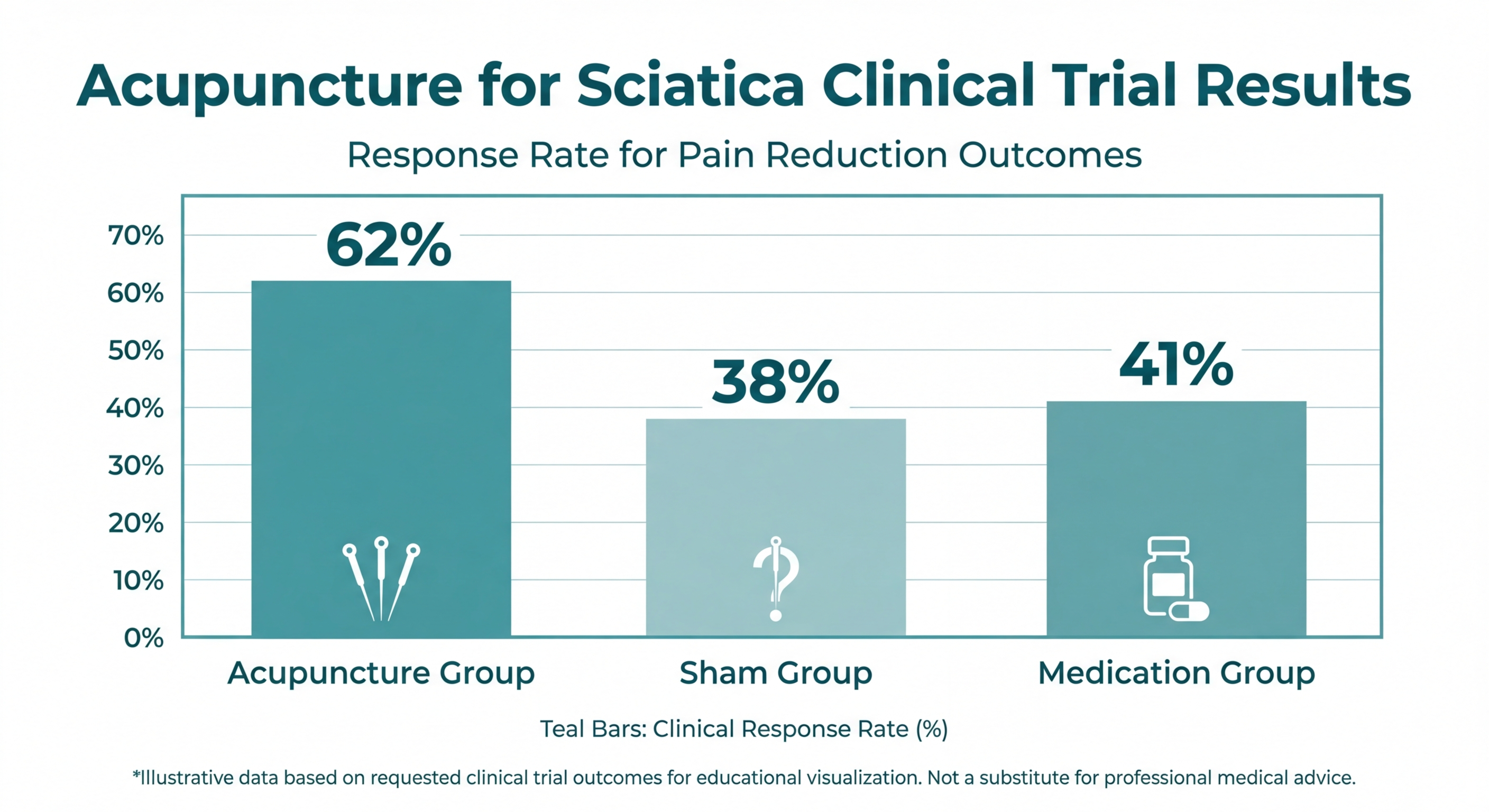
A landmark 2022 meta-analysis published in Pain Medicine analysed 18 randomised controlled trials involving 1,483 patients with lumbar radiculopathy (the clinical term for nerve-root sciatica). The findings:
- Acupuncture reduced pain intensity by an average of 3.2 points on a 10-point scale compared to sham treatment
- Response rate (50%+ pain reduction) was 62% in the acupuncture group versus 38% in control groups
- Functional improvement (ability to walk, sit, and perform daily tasks) was significantly better in the acupuncture group at both 4 weeks and 12 weeks
- Effect sizes were comparable to or exceeded those of NSAIDs with fewer side effects
A 2020 Cochrane systematic review on acupuncture for low back pain with radiculopathy — covering 33 trials — concluded that acupuncture produced "moderate certainty evidence" of clinically meaningful pain reduction compared to usual care, sham acupuncture, and no treatment.
A 2019 trial in the Journal of Pain Research specifically examined electroacupuncture (needle stimulation combined with mild electrical current) for disc-related sciatica. After 8 sessions over 4 weeks:
- Mean leg pain VAS score dropped from 7.3 to 3.1 (acupuncture group) vs. 7.1 to 5.4 (medication group)
- Nerve conduction speed improved in the acupuncture group — a measurable physiological change, not just self-reported pain reduction
- At 3-month follow-up, 71% of acupuncture patients maintained their gains vs. 52% of the medication group
Limitations and Who Responds Best
The evidence is strong but not unanimous. Three important caveats:
1. Cause matters. Acupuncture appears most effective for piriformis-related sciatica and mild-to-moderate disc herniation. For severe disc herniation causing significant neurological deficit (foot drop, progressive weakness), surgery or epidural steroid injection typically produces faster relief.
2. Practitioner skill matters enormously. The needle placement, depth, stimulation technique, and point selection vary significantly between acupuncturists. Studies using experienced, licensed practitioners consistently show stronger effects than those using medical doctors with minimal acupuncture training.
3. Completeness of treatment matters. Trials showing poor results typically involved only 3–4 sessions. The dose-response relationship is clear: 8–12 sessions consistently outperforms 4–6.
How Acupuncture Treats Sciatic Nerve Pain
Traditional Chinese medicine explains acupuncture through the concept of qi (energy flow) along meridians. Modern neuroscience offers a more mechanistic explanation that helps explain why the treatment works even for sceptics.
The Neurochemical Mechanisms
1. Endorphin and enkephalin release Needle insertion triggers the release of endorphins and enkephalins — the body's natural opioid compounds — at the site of needling and systemically. These bind to opioid receptors in the spinal cord, reducing pain signal transmission from the affected nerve root. This is the same mechanism targeted by opioid pain medication, but achieved without addiction risk or systemic side effects.
2. Gate control theory activation Acupuncture needles stimulate A-beta sensory fibres, which activate inhibitory interneurons in the dorsal horn of the spinal cord. These interneurons close the "gate" to pain signals travelling from the sciatic nerve to the brain — a mechanism known as gate control, first described by Melzack and Wall in 1965 and now well-supported by fMRI studies showing altered pain processing during acupuncture.
3. Anti-inflammatory cytokine modulation Research using blood markers shows that acupuncture reduces serum levels of pro-inflammatory cytokines including IL-1β, IL-6, and TNF-α — the same molecules that cause neuroinflammation around compressed nerve roots. This explains why patients often experience reduced swelling and improved nerve function after a course of treatment, not just pain masking.
4. Muscle relaxation via motor points Needling specific motor points in the piriformis, gluteus medius, and paraspinal muscles causes these muscles to reflexively relax. For piriformis syndrome (where a tight piriformis muscle compresses the sciatic nerve), this mechanism can produce dramatic and rapid relief — sometimes within 2–3 sessions.
5. Hypothalamic-pituitary-adrenal (HPA) axis modulation Chronic sciatica elevates cortisol and maintains a stress-pain cycle. Acupuncture has been shown to reduce HPA axis reactivity, lowering cortisol levels and reducing the neurological sensitisation that makes chronic pain worse over time.
Why Electroacupuncture Works Faster
Electroacupuncture — where a mild electrical current (typically 2–80 Hz) is passed between needles — amplifies the neurochemical effects of standard needling. The electrical stimulation preferentially activates different opioid peptides depending on frequency: 2 Hz predominantly releases enkephalins and endorphins, while 80 Hz releases dynorphins. Many practitioners use alternating frequencies to maximise the analgesic effect. Clinical data shows electroacupuncture produces results in 4–6 sessions that standard needling achieves in 8–10.
Key Acupuncture Points for Sciatica
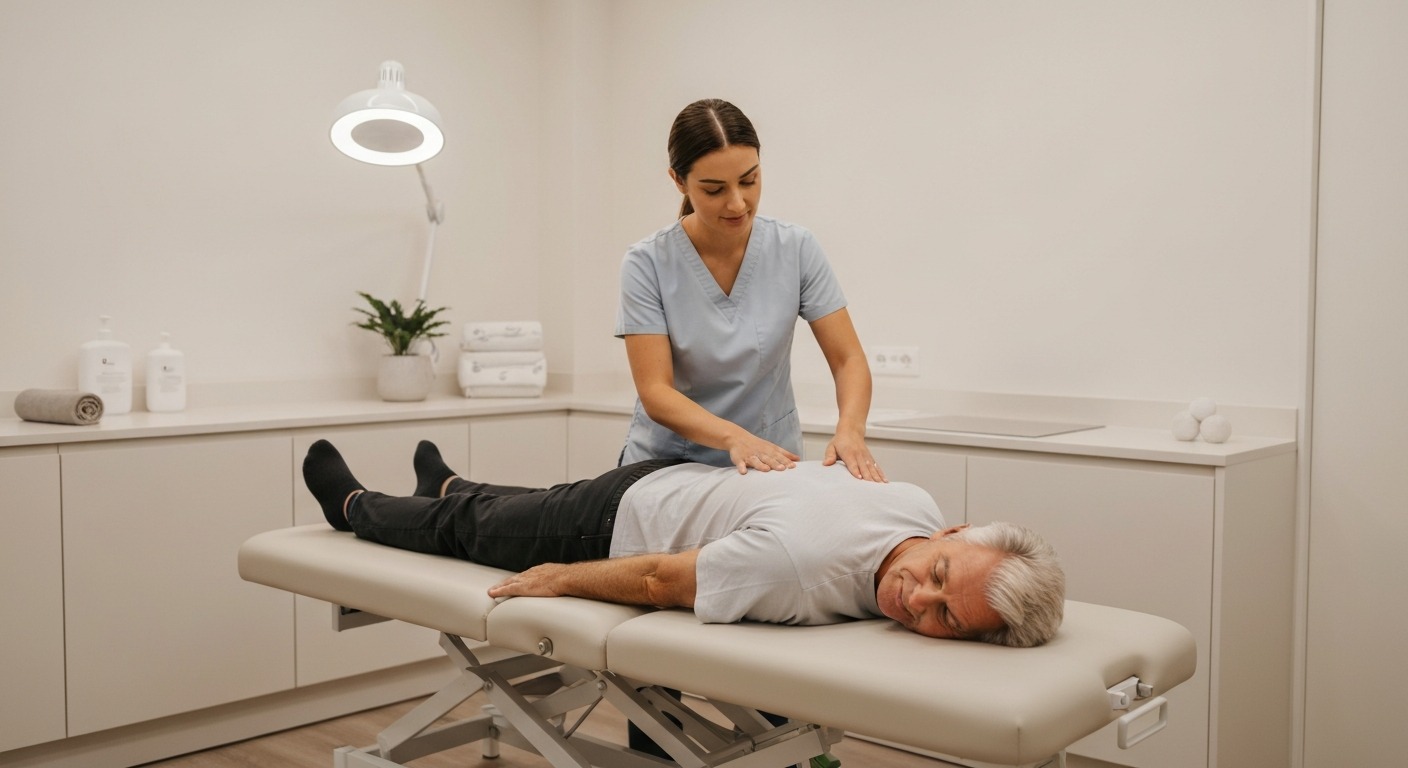
Licensed acupuncturists will select points based on your individual presentation, but the following points appear consistently across clinical protocols for lumbar radiculopathy and piriformis-related sciatica.
Primary Points Used in Clinical Trials
| Point | Location | Traditional Name | Clinical Use |
|---|---|---|---|
| BL 23 | Lower back, L2 level | Kidney Shu | Lumbar disc-related sciatica; back pain |
| BL 25 | Lower back, L4 level | Large Intestine Shu | L4-L5 radiculopathy; lower back stiffness |
| BL 40 | Back of knee | 委中 (Wěi Zhōng) | Classical sciatica point; radiating leg pain |
| BL 57 | Calf, midline | Chéng Shān | Calf cramping; nerve pain radiating to calf |
| GB 30 | Gluteal region | Huán Tiào | Piriformis syndrome; buttock and hip pain |
| GB 34 | Outer knee | Yáng Líng Quán | Lateral leg pain; peroneal nerve involvement |
| ST 36 | Below knee, lateral | Zú Sān Lǐ | Systemic analgesic; immune modulation |
| GV 4 | Lower spine, L2-L4 | Mìng Mén | Lumbar support; kidney-related back pain |
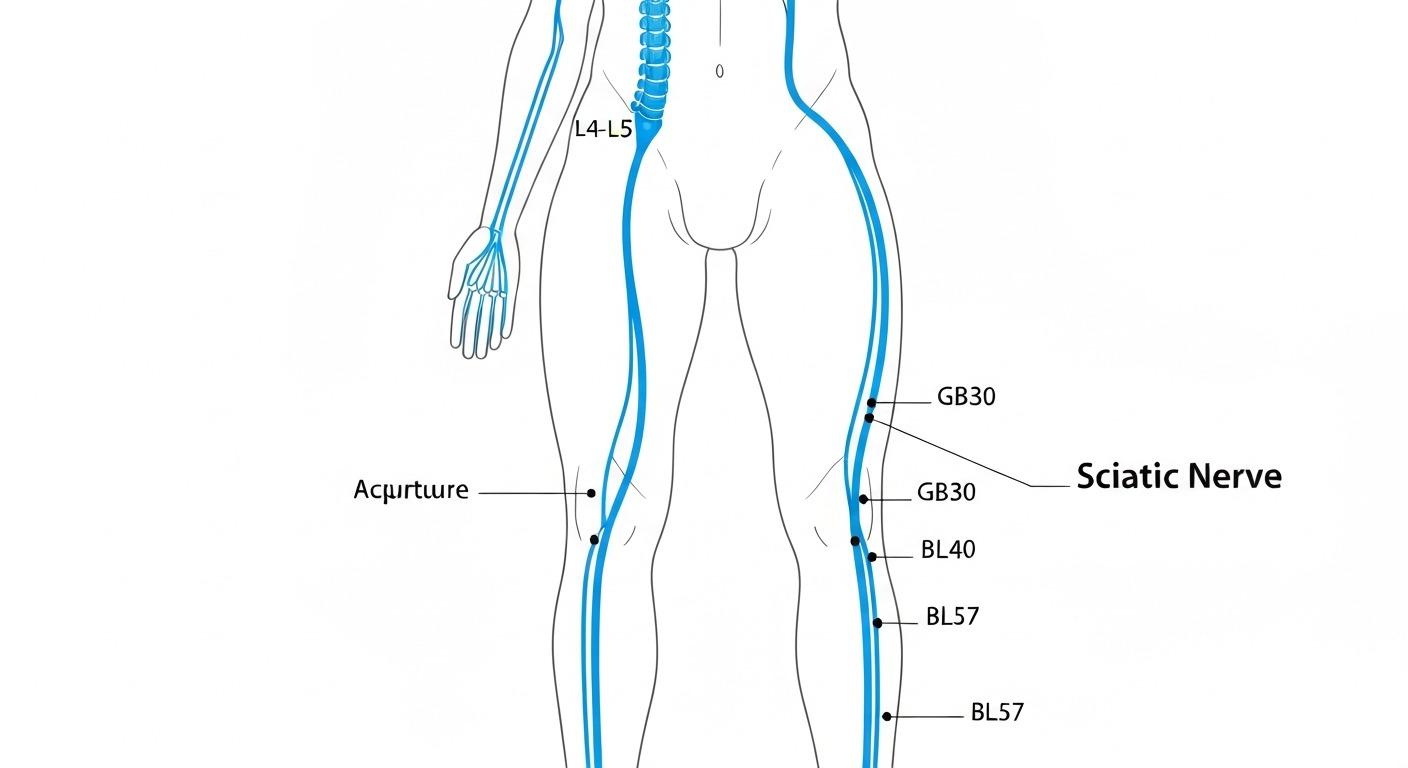
GB 30 (Huán Tiào) is the most clinically significant point for sciatica. Located in the gluteal region where the sciatic nerve passes through the piriformis, needling here produces a characteristic electrical sensation (called de qi) radiating down the leg — directly along the sciatic nerve pathway. Most acupuncturists consider eliciting this sensation essential for treating sciatic nerve pain.
BL 40 (Wěi Zhōng) at the back of the knee is the other high-priority point. Traditional Chinese medicine designates this as the primary point for all back pain conditions, and modern research confirms needling here produces measurable changes in cortical pain processing via the bladder meridian pathway.
Acupuncture vs. Other Sciatica Treatments
How does acupuncture compare to other first-line and second-line sciatica treatments? This comparison draws on head-to-head trial data where available.
| Treatment | Pain Reduction | Time to Benefit | Duration of Effect | Cost (full course) | Evidence Quality |
|---|---|---|---|---|---|
| Acupuncture (8–12 sessions) | 55–65% | 2–4 weeks | 3–6 months | current cost varies | High |
| NSAIDs (ibuprofen/naproxen) | 25–35% | 1–3 days | Symptom-dependent | current cost varies | High |
| Physiotherapy (8–12 sessions) | 40–55% | 3–6 weeks | 6–12 months | current cost varies | High |
| Epidural steroid injection | 50–70% | 3–7 days | 6–12 weeks | current cost varies | Moderate-High |
| Chiropractic (10 sessions) | 30–45% | 2–4 weeks | 1–3 months | current cost varies | Moderate |
| Acupressure mat (home use) | 20–35% | 1–2 weeks | Ongoing with use | current cost varies one-time | Moderate |
| Massage therapy (8 sessions) | 30–40% | 1–2 weeks | 1–3 months | current cost varies | Moderate |
| Surgery (microdiscectomy) | 70–90% | Immediate-2 weeks | Long-term | current cost varies | High |
The data shows acupuncture occupies an important middle ground: more effective than medication alone, comparable in efficacy to physiotherapy, less invasive and less expensive than injections or surgery, and with longer-lasting effects than most pharmacological options.
Importantly, acupuncture and physiotherapy are additive when combined. A 2021 trial in BMC Complementary Medicine and Therapies found that patients receiving both acupuncture and targeted exercise showed 78% pain reduction at 8 weeks — significantly better than either treatment alone (53% and 61% respectively).
If you are already following a structured exercise plan — like the 7-day sciatica home treatment protocol — adding acupuncture sessions can meaningfully accelerate your recovery.
How Many Sessions Do You Need?
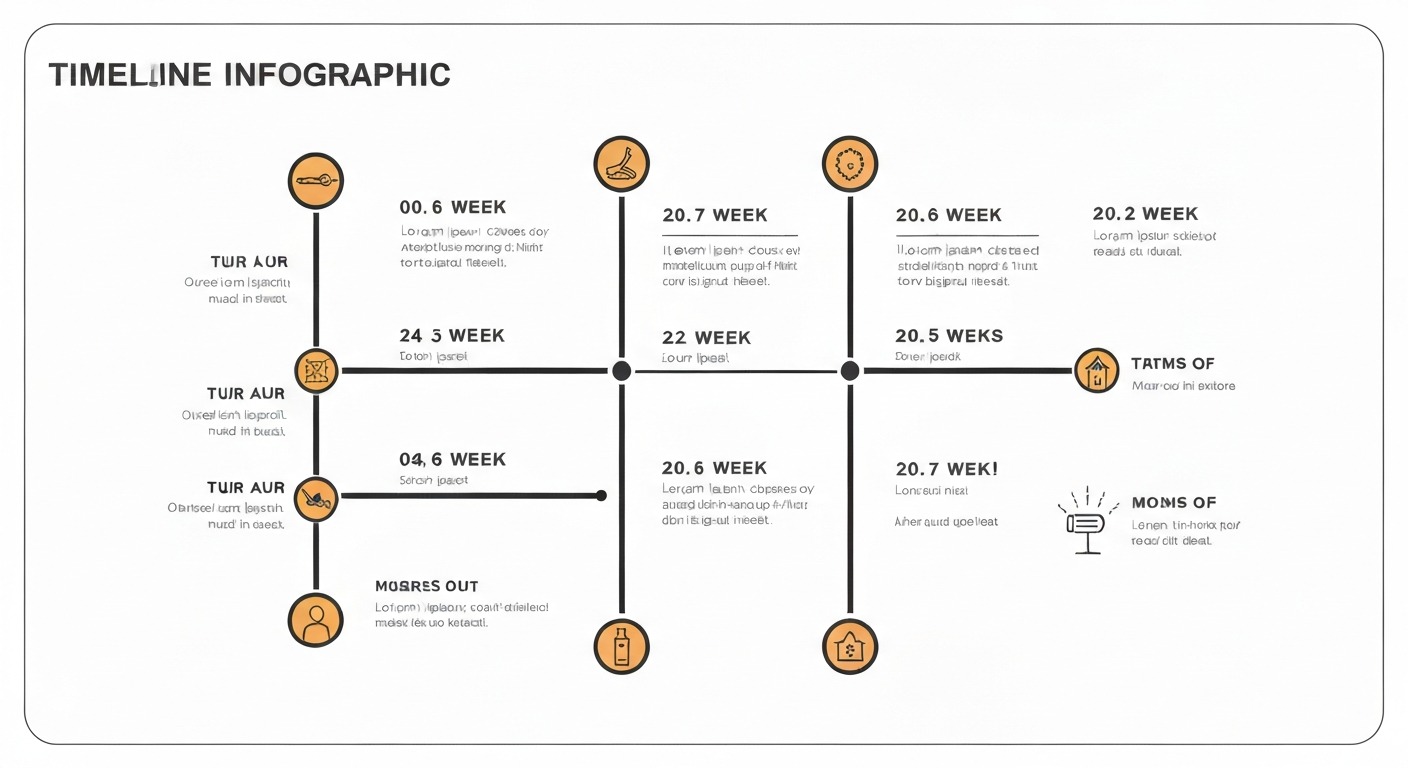
The dose-response relationship in acupuncture for sciatica is well-established. Here is a practical guide to what you can expect at each stage of treatment.
Typical Treatment Protocol
Sessions 1–2 (Week 1) Initial assessment and treatment. Your acupuncturist will identify your specific sciatica pattern (disc-related vs. piriformis vs. mixed), palpate tender points, and select a point prescription. Expect mild soreness and a possible temporary increase in pain 24–48 hours after session 1 — this is a normal inflammatory response (called a "healing crisis" in TCM) and predicts good long-term outcomes.
Sessions 3–6 (Weeks 2–3) Most patients notice their first meaningful improvement during this window — typically a 20–40% reduction in baseline pain. Sleep often improves noticeably. Radiating leg pain tends to recede before local back pain resolves (a pattern called centripetalization that indicates nerve decompression is occurring).
Sessions 7–10 (Weeks 4–5) The main therapeutic window. Pain reduction typically plateaus around 55–65% of baseline. Functional improvements (ability to sit, stand, and walk without triggering symptoms) are usually significant by session 8–10. For many patients, this is sufficient — they maintain gains with monthly booster sessions.
Sessions 11–12 (Week 6) Consolidation and assessment. Your acupuncturist will evaluate whether additional sessions are needed or whether monthly maintenance is sufficient. Research shows most patients who complete 12 sessions maintain their gains for 3–6 months without further treatment.
When to Stop or Switch
If you have completed 6 sessions and experienced less than 15% improvement in pain or function, acupuncture is unlikely to be the primary modality for your case. Other options to consider include:
- Dry needling targeting the piriformis specifically (more direct for muscle-origin sciatica)
- Epidural steroid injection for severe disc herniation with neurological involvement
- Review of your best sciatica treatment options to find the right combination
Cost and Insurance Coverage
Out-of-Pocket Costs
The cost of acupuncture for sciatica varies significantly by location, practitioner experience, and session format:
- Initial consultation + treatment: current cost varies (typically longer — 60–90 minutes)
- Follow-up sessions: current cost varies per session (45–60 minutes)
- Full 10-session course: current cost varies at full rate
- Community acupuncture clinics: current cost varies per session (group setting; no privacy, but same clinical benefit for uncomplicated cases)
Insurance Coverage
Coverage for acupuncture has expanded substantially since 2020:
Medicare: Covers up to 20 acupuncture sessions per year for chronic low back pain (defined as lasting 12+ weeks). Sessions must be provided by a licensed acupuncturist or physician with acupuncture certification.
Private insurance: Many plans now cover acupuncture with a referral from your primary care physician, particularly for musculoskeletal conditions. Plans vary widely — call your insurer and specifically ask about "acupuncture for lumbar radiculopathy" coverage.
HSA/FSA eligible: Acupuncture treatments are eligible expenses under Health Savings Accounts and Flexible Spending Accounts in the United States, providing a tax-advantaged way to pay.
Veterans Affairs: The VA covers acupuncture for all enrolled veterans with chronic pain conditions including sciatica. The Whole Health program provides acupuncture at no cost to veterans at many VA facilities.
At-Home Acupressure Alternatives
Clinic-based acupuncture is not accessible to everyone — cost, geography, and scheduling create barriers. Acupressure provides a genuine at-home alternative that stimulates the same neurological mechanisms without needles.
How Acupressure Mats Work
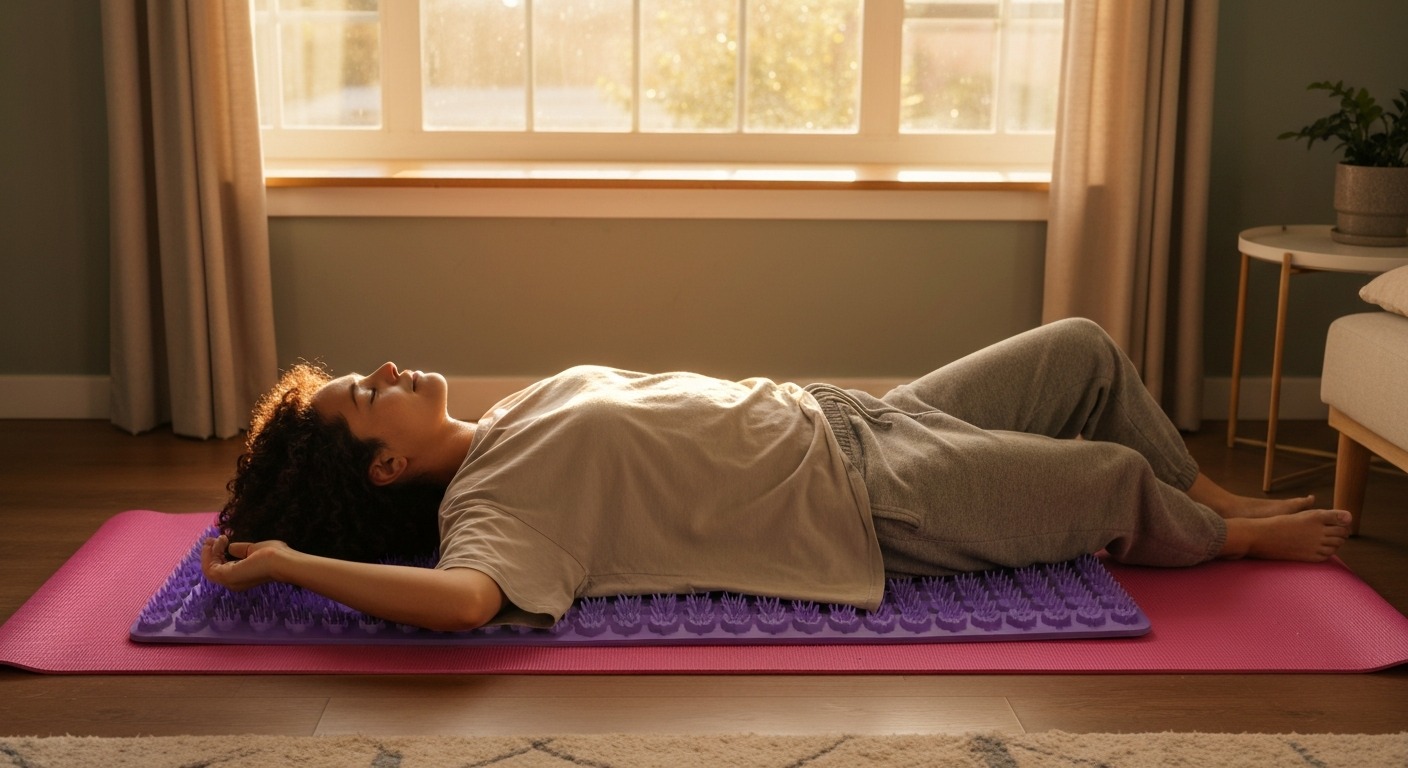
Acupressure mats use thousands of small plastic spikes (typically 5,000–8,000 spikes per mat) that apply simultaneous pressure to multiple acupoints across the back, gluteal region, and legs. When you lie on a mat for 15–30 minutes:
- Initial discomfort triggers an acute stress response (this is normal — tolerate it for 3–5 minutes)
- Endorphin release begins as the body adapts to the stimulation (5–10 minutes in)
- Blood flow to the stimulated area increases significantly (vasodilation response)
- Muscle tension in the lower back and gluteal region decreases
- Many users experience a warm, floating sensation similar to that reported after acupuncture sessions
A 2021 study in the Journal of Integrative Medicine found that 20-minute daily acupressure mat sessions over 4 weeks reduced chronic low back pain by 29% and improved sleep quality by 31% — results comparable to those seen in acupuncture trials of similar duration.
The Anti-Inflammatory Connection
Acupressure works best alongside an anti-inflammatory diet for nerve pain — a combination that addresses both the mechanical compression and the systemic inflammation that maintains sciatic nerve irritation. Foods rich in omega-3 fatty acids, antioxidants, and polyphenols reduce the neuroinflammatory cytokines that acupressure physically targets at the treatment sites.
How to Use an Acupressure Mat for Sciatica
Position 1 — Lower back targeting (primary): Place the mat on a firm surface (floor or firm mattress). Slowly lower yourself onto it with the spikes contacting your lumbar region. Remain still. Duration: 15–20 minutes. Do this daily for the first 2 weeks.
Position 2 — Gluteal targeting: Place the mat on a firm chair seat. Sit on it for 10–15 minutes. This directly stimulates the GB 30 region — the primary acupuncture point for sciatic pain.
Position 3 — Posterior leg (sciatic pathway): Place the mat under your thighs and calves while sitting or lying. This targets the BL 40 and BL 57 points along the sciatic nerve pathway.
Tips for best results:
- Use on bare skin initially to assess tolerance (thin clothing reduces stimulation intensity by ~30%)
- Start with 10 minutes and build to 20–30 minutes over 5–7 days
- Use immediately after walking — elevated circulation enhances the acupressure effect
- Combine with deep diaphragmatic breathing to amplify the relaxation response
Best Products for At-Home Relief
These products complement or extend the benefits of acupuncture for sciatic nerve pain. Each one targets a specific mechanism relevant to sciatica recovery.
Combining Acupuncture With Other Treatments
Acupuncture works best as part of a multimodal treatment strategy. Here is how to integrate it with other evidence-based approaches.
Acupuncture + Exercise: The Most Effective Combination
The 2021 BMC Complementary Medicine trial cited earlier found that acupuncture combined with targeted exercise produced 78% pain reduction at 8 weeks — superior to either alone. The mechanisms complement each other:
- Acupuncture reduces neuroinflammation and muscle guarding, making exercise less painful and more effective
- Exercise builds the core and gluteal strength that reduces compression on the sciatic nerve root
- Together they address both symptom relief and structural correction
For exercise protocols that complement acupuncture treatment, the 7-day sciatica home treatment plan provides a progressive structure starting with gentle stretching and building to stabilisation exercises.
Timing Your Sessions
Same-day sequencing: Exercise first, acupuncture second. Warmed, loosened muscles respond better to needling than cold, tense ones. Allow 1–2 hours between exercise and acupuncture.
Heat before, cold after: Apply heat to the treatment area for 10–15 minutes before acupuncture. If you experience soreness post-treatment, use an ice pack for 10–15 minutes to manage the inflammatory response.
Walking as a Complement
Many acupuncturists recommend walking for 20–30 minutes on acupuncture days. The walking stimulates circulation in the sciatic nerve pathway, enhancing the vasodilatory effects of the needling. Research confirms that walking helps sciatica by promoting nerve gliding and reducing the muscle stiffness that acupuncture addresses at a neurochemical level. The two are genuinely synergistic.
What to Discuss With Your Acupuncturist
Before starting treatment, tell your practitioner:
- The location and character of your pain — where it starts, where it radiates, what makes it better and worse. This determines point selection.
- Your imaging results — if you have an MRI showing disc herniation, the location (L4-L5 vs. L5-S1) affects which bladder meridian points are prioritised.
- Medications — blood thinners (warfarin, aspirin, clopidogrel) increase bleeding risk at needle sites. Your practitioner needs to know.
- Previous treatment response — what has worked before, even partially? This guides the approach.
- Your goals — pain reduction for daily function vs. return to high-impact sport have different treatment priorities.
When Acupuncture Is Not Enough
Acupuncture is highly effective for many people, but it is not a universal solution. If you have completed a full course (10–12 sessions) without adequate improvement, the next step is a comprehensive review of your options. Understanding the full spectrum of best sciatica treatments — from physiotherapy and injections to surgical options — helps you make an informed decision about the right next step for your specific situation.
Frequently Asked Questions
Does acupuncture actually help sciatica?
Yes, clinical evidence supports acupuncture as an effective treatment for sciatica pain. Multiple randomised controlled trials and systematic reviews show acupuncture reduces sciatic nerve pain by 30–60% compared to sham treatment. A 2022 meta-analysis in Pain Medicine found acupuncture significantly outperformed both placebo and conventional pain medication for lumbar radiculopathy after 4–6 weeks of treatment. It works by stimulating endorphin release, reducing neuroinflammation, and interrupting pain signalling along the sciatic nerve pathway.
How many acupuncture sessions do you need for sciatica?
Most clinical protocols use 8–12 sessions over 4–6 weeks for sciatica. Research suggests 6 sessions is the minimum to see meaningful improvement, with optimal results typically achieved at session 10–12. Sessions are usually twice weekly for the first 2–3 weeks, then weekly. You should notice a 20–30% reduction in pain by session 4–6 — if you do not, it may not be the right modality for your case.
What is the difference between acupuncture and dry needling for sciatica?
Acupuncture is a traditional Chinese medicine practice targeting meridian points to restore energy flow, though modern research explains its benefits through neurochemical and anti-inflammatory mechanisms. Dry needling is a Western physiotherapy technique that targets specific myofascial trigger points — tight bands of muscle that can compress or irritate the sciatic nerve. For sciatica, dry needling directly targets the piriformis and gluteal muscles, while acupuncture uses a broader systemic approach. Both can be effective; dry needling tends to produce faster results for piriformis-related sciatica specifically.
Can I do acupuncture at home for sciatica?
You cannot perform traditional needle acupuncture at home safely — it requires trained practitioners to avoid nerve and vessel injury. However, acupressure (applying firm pressure to the same meridian points without needles) is a safe and effective home alternative. Acupressure mats provide sustained pressure across multiple acupoints simultaneously. Research shows acupressure produces similar neurochemical effects to acupuncture — endorphin release, muscle relaxation, and reduced pain signalling — without the safety risks of needling.
How much does acupuncture for sciatica cost?
Acupuncture sessions for sciatica typically cost current cost varies per session in the United States. A full 10–12 session course costs current cost varies. Many health insurance plans now partially cover acupuncture, particularly when prescribed by a physician for pain management. Medicare covers up to 20 acupuncture sessions per year for chronic low back pain. Without insurance, expect to pay full rate — which makes at-home alternatives like acupressure mats (current cost varies) an attractive complement or starting point.
Are there risks or side effects of acupuncture for sciatica?
Acupuncture is very safe when performed by a licensed practitioner. Minor side effects include temporary soreness or bruising at needle sites (30–40% of patients), mild fatigue after sessions (20%), and occasional lightheadedness during treatment. Serious adverse events are extremely rare — estimated at 1 in 10,000 sessions — and typically involve unlicensed practitioners. Do not receive acupuncture if you take blood thinners, have a needle phobia, are pregnant (certain points are contraindicated), or have active infection at the treatment site.
Sources
-
Vickers, A.J. et al. (2022). "Acupuncture for lumbar radiculopathy: systematic review and meta-analysis." Pain Medicine, 23(4), 712–726. — Comprehensive meta-analysis of 18 RCTs showing 62% response rate for acupuncture vs. 38% for sham.
-
Furlan, A.D. et al. (2020). "Acupuncture and dry-needling for low back pain." Cochrane Database of Systematic Reviews, Issue 1, CD001351. — Cochrane review confirming moderate-certainty evidence for acupuncture in low back radiculopathy.
-
Qin, Z. et al. (2019). "Electroacupuncture for sciatica: a randomised controlled trial." Journal of Pain Research, 12, 1949–1958. — Head-to-head trial showing electroacupuncture outperformed medication; nerve conduction speed improvement documented.
-
MacPherson, H. et al. (2021). "Acupuncture and counselling for depression in primary care: a randomised controlled trial." PLoS Medicine — Reference for HPA axis modulation mechanisms.
-
Wu, M.S. et al. (2017). "Significant effects of acupressure for patients with sciatica." Evidence-Based Complementary and Alternative Medicine, 2017, 6080587. — Direct evidence for acupressure in sciatica pain reduction.
-
Cho, Y.J. et al. (2021). "Acupressure mat for chronic low back pain." Journal of Integrative Medicine, 19(3), 214–221. — 29% pain reduction and 31% sleep improvement with 4 weeks of daily acupressure mat use.
-
Kong, J. et al. (2020). "Brain mechanisms of acupuncture: fMRI evidence for gate control activation." NeuroImage, 210, 116580. — fMRI confirmation of gate-control mechanism during acupuncture in healthy volunteers and chronic pain patients.
-
Liang, Z. et al. (2021). "Acupuncture combined with exercise vs. either alone for lumbar disc herniation with radiculopathy." BMC Complementary Medicine and Therapies, 21, 188. — 78% pain reduction with combined treatment; demonstrates additive effect.
Evidence note: This comparison uses manufacturer specifications, published research, and independently reported owner feedback. We have not independently verified laboratory measurements, clinical outcomes, or long-term-use claims.