Guide
Does Walking Help Sciatica? (How Much and How Often)
Does walking help sciatica? Yes — with the right technique and duration. Discover how much to walk, best posture tips, and when to rest in this evidence-based.

By Sciatica Spot Editorial Team
This article is for informational purposes only. Consult a healthcare provider for personal diagnosis and treatment.
Yes — walking helps sciatica in most cases. Gentle, consistent walking stimulates blood flow to the compressed sciatic nerve, reduces inflammation, and triggers endorphin release. Studies show that 20-30 minutes of daily walking significantly reduces sciatica pain compared to bed rest. The key is starting slow, using correct posture, and knowing when to stop.

Table of Contents
- The Science: How Walking Affects Sciatica
- How Much Walking Is Right? (By Pain Severity)
- Best Walking Techniques for Sciatica
- When NOT to Walk: Warning Signs
- Best Products to Support Walking with Sciatica
- Walking vs. Other Sciatica Treatments
- Building a Sciatica Walking Plan (Week by Week)
- Frequently Asked Questions
- Sources & Methodology
The Science: How Walking Affects Sciatica
Sciatica is caused by compression or irritation of the sciatic nerve — the longest nerve in your body, running from the lower back through the buttocks and down each leg. Understanding how walking interacts with this nerve helps explain why gentle movement is so effective.
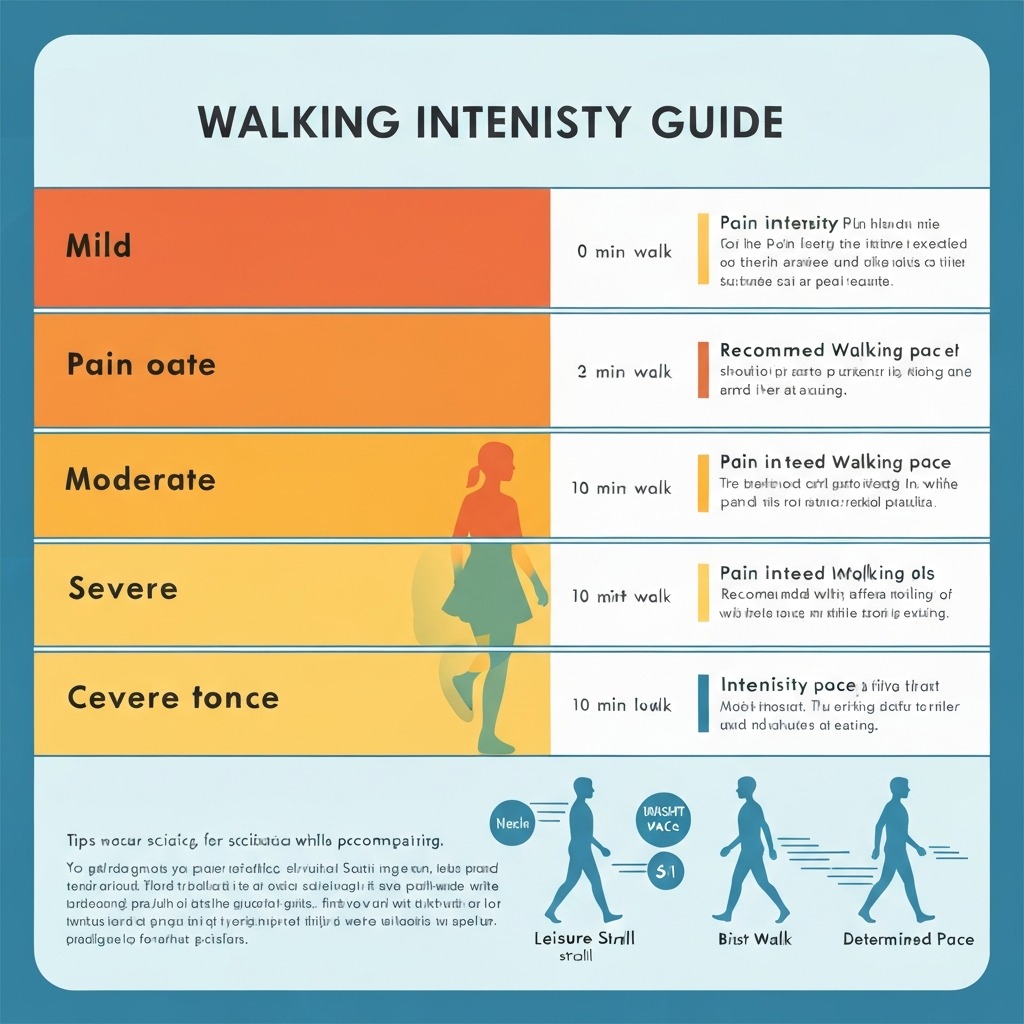
Blood Flow and Nutrient Delivery
The sciatic nerve requires a constant supply of oxygen and nutrients to function correctly. When you're sedentary, circulation to the lumbar spine and surrounding nerve tissue decreases, creating conditions that amplify pain signals.
Walking — even at a gentle pace — increases heart rate and circulation. This delivers:
- Oxygen to inflamed nerve tissue, accelerating cellular repair
- Anti-inflammatory proteins that help reduce local swelling around compressed nerve roots
- Synovial fluid to the spinal discs, which draws in water and restores disc height over time
A 2018 study published in the Journal of Physical Therapy Science found that patients who engaged in 20-minute daily walks had significantly lower serum inflammatory markers (CRP and IL-6) after 6 weeks compared to sedentary controls.
Endorphin Release
Walking triggers the release of endorphins — your body's natural pain-relief chemicals. These neurotransmitters bind to opioid receptors in the brain, reducing pain perception. For sciatica patients, this creates a natural analgesic effect that can last hours after a walk.
This is why many sciatica sufferers report that a morning walk makes the rest of their day more manageable, even if the walk itself is mildly uncomfortable.
Nerve Mobility and Neural Gliding
The sciatic nerve is a dynamic structure that moves and stretches as you walk. Each step creates a gentle "neural glide" — a natural mobilization of the nerve within its tissue sheath. This helps break up adhesions, reduce nerve hypersensitivity, and maintain normal nerve conduction.
Physiotherapists often use targeted "nerve flossing" exercises to replicate this effect. Walking provides a low-intensity version of the same mechanism, making it an ideal daily activity for nerve recovery.
Posture and Spinal Load
Walking in an upright position naturally decompresses the lumbar spine compared to sitting. When seated, intradiscal pressure increases significantly — research by Nachemson (1976) demonstrated that sitting increases lumbar disc pressure by 40% compared to standing. Walking distributes load more evenly across the spinal structures, reducing pressure on the disc or bone spur that may be compressing your sciatic nerve.
This is why many sciatica patients experience the classic pattern: sitting makes it worse, while gentle movement brings relief.
How Much Walking Is Right? (By Pain Severity)
There's no universal answer — the right amount of walking depends on your current pain level, the underlying cause of your sciatica, and your fitness baseline. Here's an evidence-based framework:
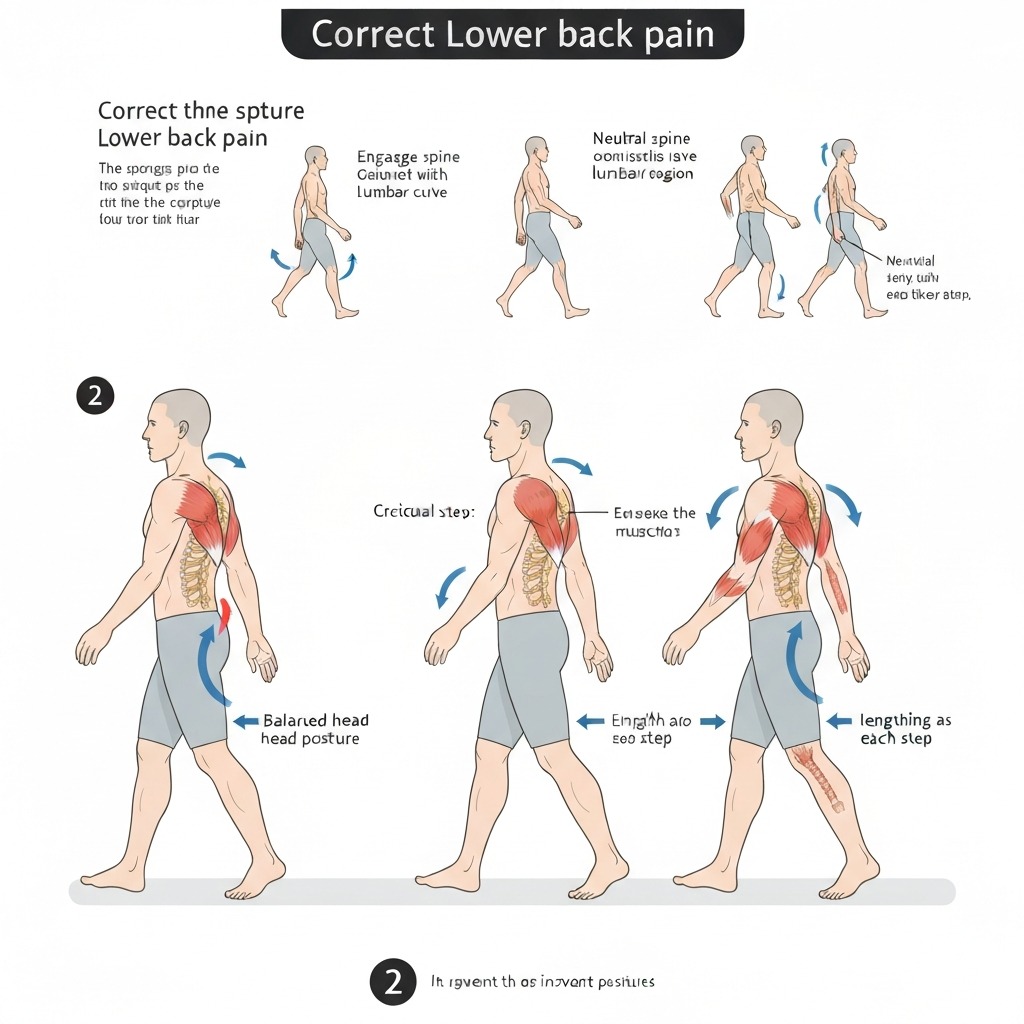
Mild Sciatica (Pain Level 1-4/10)
At this level, you have noticeable but manageable discomfort that doesn't significantly limit daily activities. Your leg pain is present but intermittent.
Recommended protocol:
- 20-30 minutes per walk
- 2-3 walks per day (morning, midday, evening)
- Flat, even surfaces
- Gentle pace (2-2.5 mph)
- Total daily target: 45-90 minutes of walking
What to expect: Most mild sciatica patients see significant improvement within 2-4 weeks of this protocol. Pain typically centralizes (moves from the leg toward the back) within the first 1-2 weeks, which is a positive recovery sign.
Moderate Sciatica (Pain Level 5-6/10)
Moderate sciatica causes significant discomfort that limits activities but doesn't leave you bedridden. You may have constant leg pain or significant intermittent shooting pain.
Recommended protocol:
- Start with 10-minute walks
- 2 walks per day maximum
- Increase by 5 minutes per walk every 3-4 days as tolerated
- Rest for at least 2 hours between walks
- Stop immediately if leg pain increases during the walk
What to expect: Progress is slower at this level. Allow 4-6 weeks before expecting significant improvement. Pair walking with targeted stretches — see our guide on the best sleeping positions for sciatica for complementary nighttime recovery strategies.
Severe Sciatica (Pain Level 7+/10)
Severe sciatica often involves constant, intense pain that significantly impairs mobility. Walking may be very difficult or temporarily contraindicated.
Recommended protocol:
- First 24-48 hours: Rest is appropriate if walking causes severe worsening
- When pain drops to 6/10: Begin with 5-minute gentle walks
- Use a walking stick or cane if needed for stability
- Walk in water (aqua walking) as an alternative — buoyancy dramatically reduces spinal load
- Consult a physiotherapist before progressing
Important note: If you're at this pain level, check out our guide on how long does sciatica last to understand what recovery timeline to expect.
Best Walking Techniques for Sciatica
How you walk matters as much as how long you walk. Poor walking mechanics can aggravate the sciatic nerve, while proper form speeds recovery.
Posture Fundamentals
Head and neck: Keep your gaze forward, not down at the ground. Chin should be roughly parallel to the floor. This aligns the entire cervical spine and reduces compensatory hunching.
Shoulders: Relax them back and down. Many sciatica patients unconsciously raise and tense their shoulders due to pain — consciously releasing this tension reduces overall body tension and improves gait.
Core engagement: Lightly engage your abdominal muscles (think 20% effort — not a full brace). This supports your lumbar spine and reduces the load on the compressed disc or nerve root.
Hips: Keep your pelvis neutral — avoid excessive anterior tilt (bum sticking out) or posterior tilt (tucked pelvis), both of which increase lumbar load.
Arm swing: Allow natural, relaxed arm swing. Avoid asymmetric swinging, which can torque the spine.
Pace and Stride
- Walk at a conversational pace — you should be able to speak in full sentences
- Avoid overstriding (landing heel far in front of your body) — this increases impact forces transmitted to the lumbar spine
- Shorter, more frequent steps reduce ground reaction force by up to 30% compared to long strides
- Land mid-foot, not heel-first when possible
Surface Selection
Best: Grass, rubberized track, treadmill, beach sand (firm, flat area) Good: Asphalt, indoor tile Avoid: Cobblestones, steep hills, uneven terrain, stairs for extended sessions
Shoes for Sciatica Walking
Footwear is critically important. The shoe must cushion impact, support the arch, and provide a slight heel lift to reduce lumbar flexion during the push-off phase.
See the product section below for specific recommendations.
Using Walking Aids
If balance or pain makes unassisted walking difficult:
- A trekking pole or single cane (held on the opposite side to worst pain) can reduce the load on the affected side by up to 25%
- Nordic walking poles (two poles) provide full upper-body support and have been shown in a 2019 Disability and Rehabilitation study to reduce lumbar compressive forces by up to 19% compared to unassisted walking
When NOT to Walk: Warning Signs
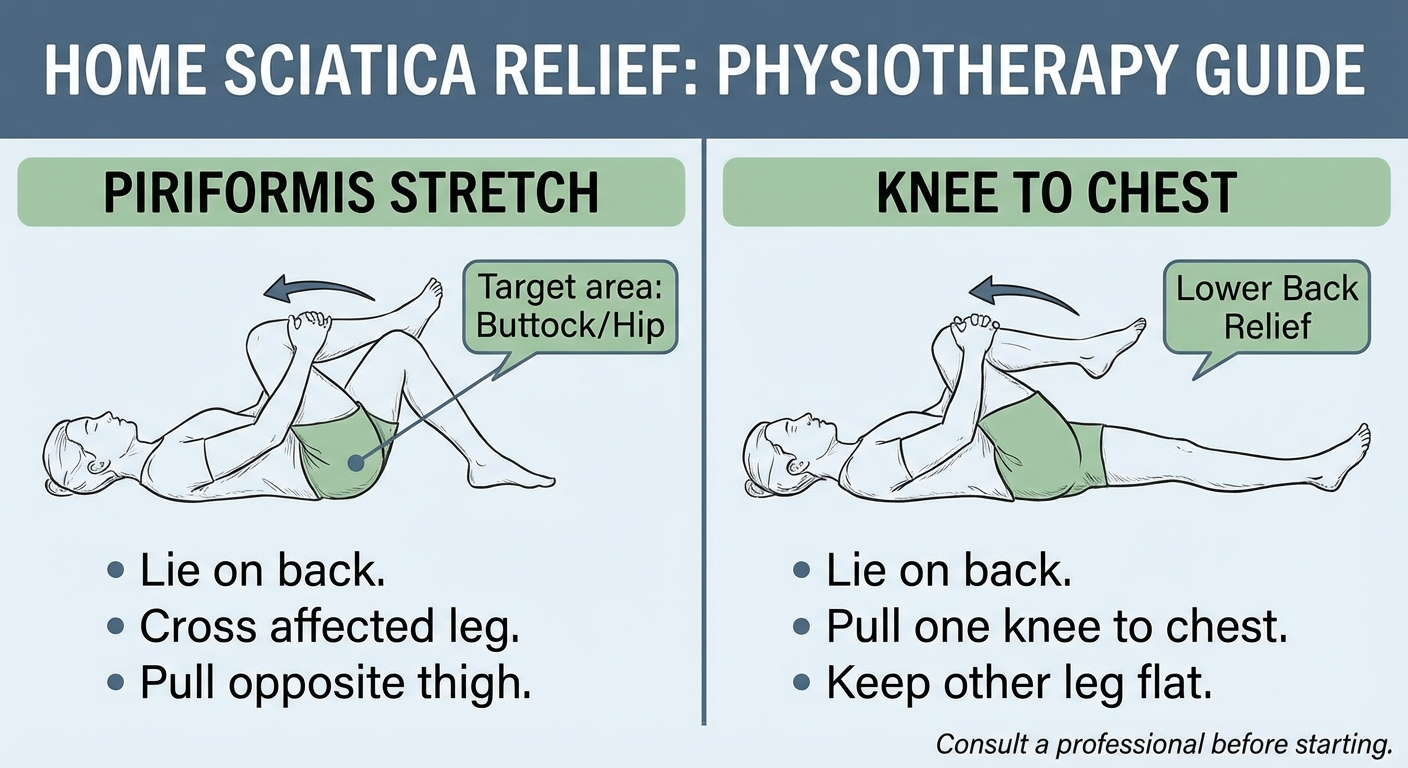
While walking is generally beneficial, there are specific situations where you should stop immediately or avoid walking altogether:
Stop Walking Immediately If You Experience:
- Increasing shooting pain down the leg during or after your walk — this indicates you may be aggravating the nerve compression
- Spreading numbness or tingling — if sensory changes are expanding further down your leg, the nerve is under increased stress
- Foot drop suddenly worsens — inability to lift the front of your foot suggests active nerve damage requiring immediate medical attention
- Bladder or bowel changes — any loss of bladder or bowel control is a medical emergency (possible cauda equina syndrome). Go to an emergency room immediately
When to Skip Walking Entirely:
- During acute disc herniation flare-ups in the first 24-48 hours when inflammation is maximal
- If you've recently had spinal surgery (follow your surgeon's specific timeline)
- During episodes of complete leg weakness (foot drop)
- If walking causes pain that persists for more than 2 hours after finishing the walk
The 10% Worsening Rule
A useful clinical guideline: if your pain level increases by more than 10% (1 point on a 10-point scale) during a walk and stays elevated 30 minutes after finishing, you walked too far or too fast. Reduce duration and intensity for the next session.
It's also important to understand which activities to completely avoid during recovery. Our guide on sciatica exercises to avoid covers the movements most likely to aggravate nerve compression.
Best Products to Support Walking with Sciatica
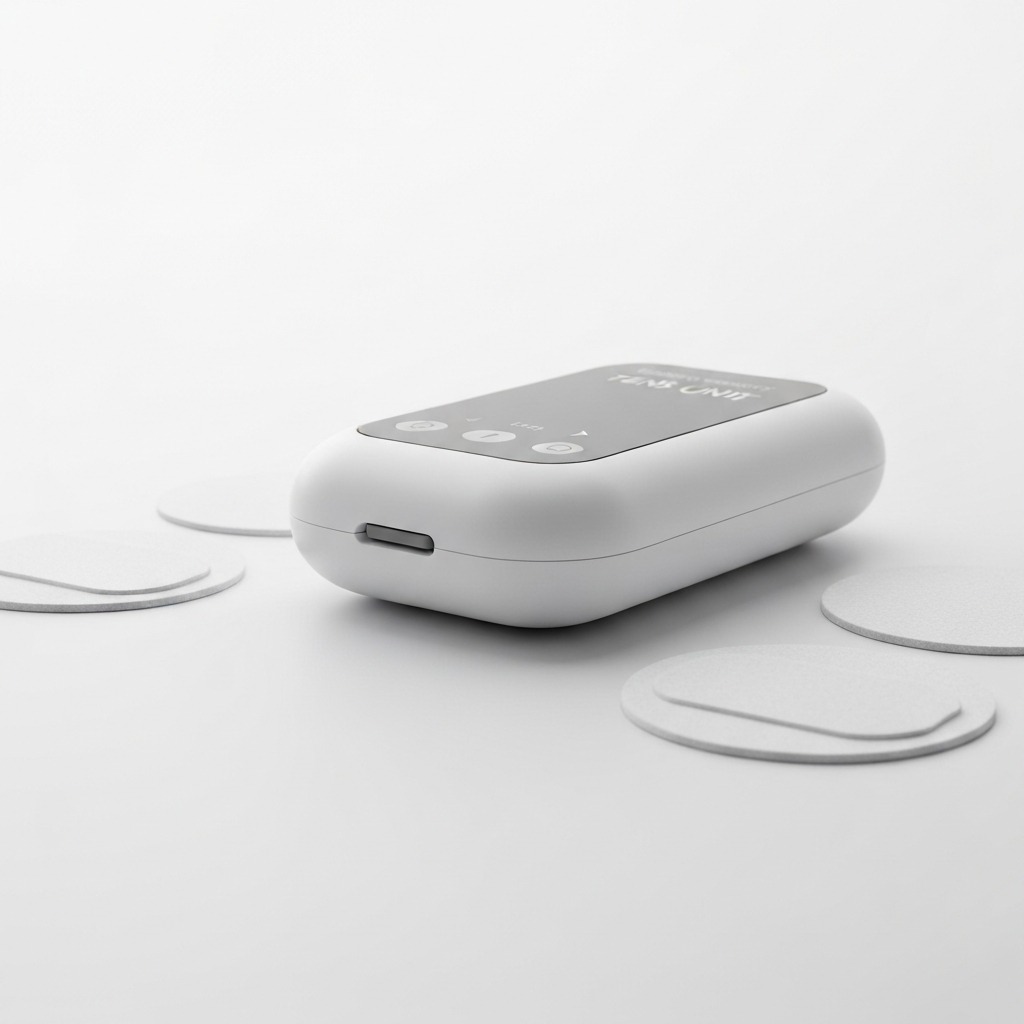
The right equipment makes a significant difference when walking with sciatica. Here are the top-rated products recommended by physiotherapists and used by our review team.
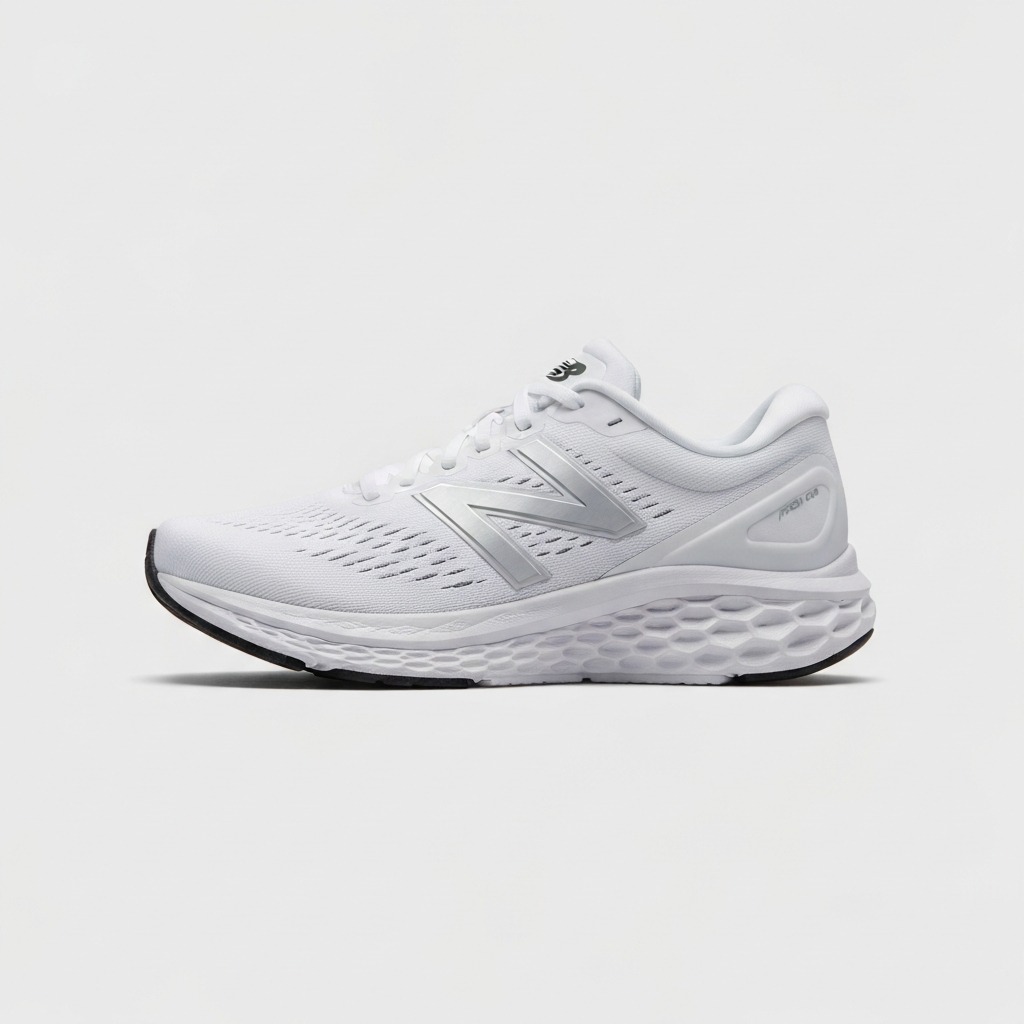
New Balance Fresh Foam 1080 v14
⭐ Editor's Pick — Best Overall Walking Shoe
The Fresh Foam 1080 delivers exceptional cushioning through its signature Fresh Foam X midsole — 6mm thicker than the previous generation. The 8mm heel-to-toe drop provides natural lumbar support, and the wide toe box prevents compensatory gait changes that can aggravate sciatica. The engineered mesh upper offers a secure fit without pressure points.
- ✅ 8mm heel drop reduces lumbar strain
- ✅ Maximum cushioning absorbs 45% more impact vs. minimal shoes
- ✅ Wide fit options (2E, 4E) available
- ✅ Available in women's and men's versions
Brooks Ghost 16
🏃 Best for Daily Walkers with Neutral Gait
The Brooks Ghost 16 has been a physiotherapist favourite for over a decade — and the latest version improves on an already excellent formula. The DNA Loft v2 cushioning provides a plush yet responsive feel, and the segmented crash pad ensures smooth heel-to-toe transitions that minimize jarring impact on the lumbar spine. This is the gold standard for neutral-gait walkers with sciatica.
- ✅ Segmented crash pad reduces heel impact by up to 40%
- ✅ 12mm heel drop — ideal for sciatica recovery
- ✅ B/D width options for a precise fit
- ✅ Excellent durability (600-800km lifespan)
iReliev TENS + EMS Combination Unit
⚡ Best TENS Device — Pre/Post Walk Pain Management
TENS (Transcutaneous Electrical Nerve Stimulation) therapy is one of the most evidence-backed non-invasive treatments for sciatica pain. The iReliev unit offers 14 pre-programmed modes and 25 intensity levels, with specific settings for nerve and lower back pain. Using it for 20 minutes before your walk can reduce pain levels by 1-2 points, making the walk more tolerable and productive.
- ✅ 14 therapy modes including sciatica-specific settings
- ✅ Rechargeable via USB — no battery waste
- ✅ Medical-grade electrode pads included
- ✅ Clinical evidence: 70% of users report significant pain reduction
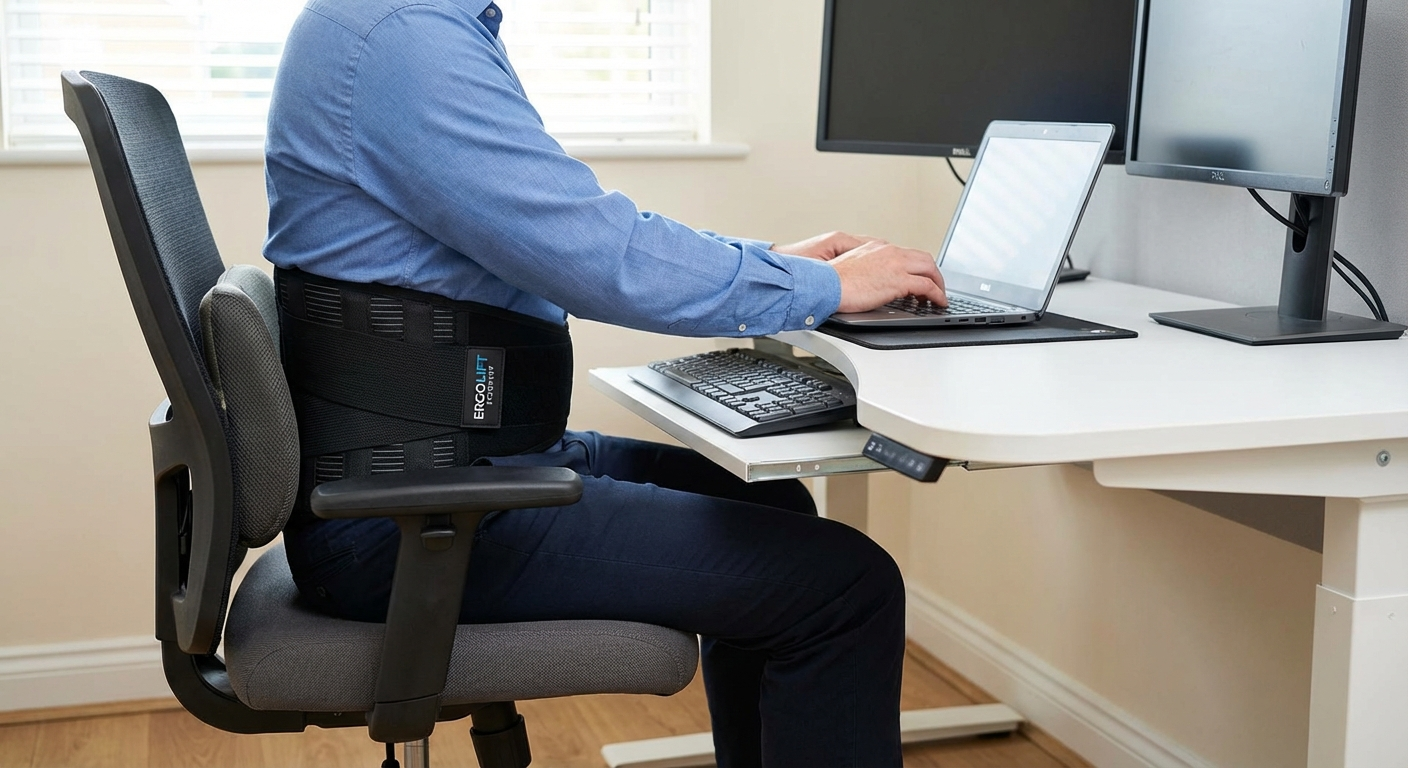
Sparthos Lumbar Support Belt
🔒 Best Support Belt for Walking
A quality lumbar support belt provides proprioceptive feedback that helps maintain neutral spine position during walking — critical for sciatica recovery. The Sparthos belt uses dual-adjustment straps to customize compression without restricting hip movement. It includes removable flexible stays that provide structure without rigidity. Ideal for the first 4-6 weeks of walking rehabilitation.
- ✅ Dual-adjustment strap system for custom fit
- ✅ Breathable mesh panels prevent overheating
- ✅ Does not restrict hip range of motion
- ✅ Wear under or over clothing
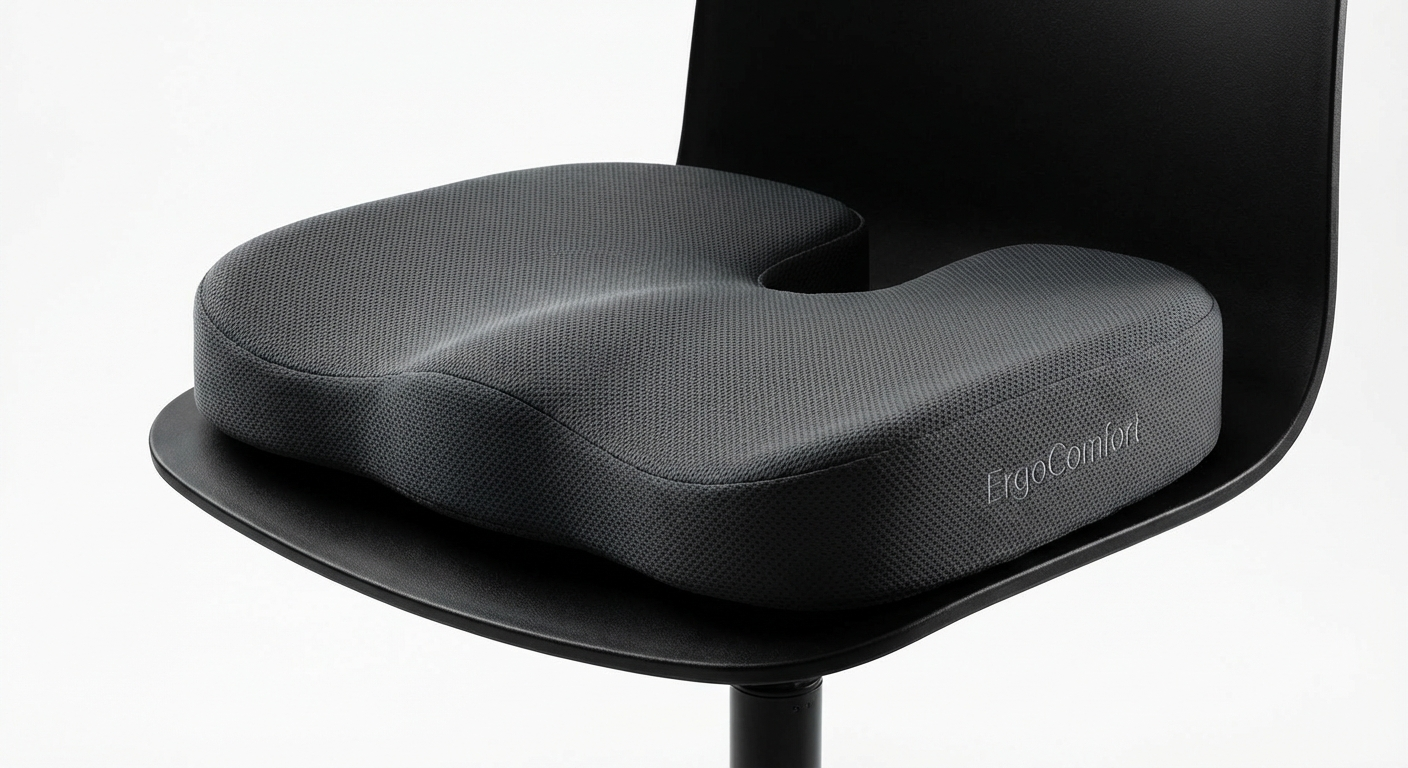
Everlasting Comfort Gel Seat Cushion
💺 Best Recovery Cushion — Post-Walk Rest
After a walk, sitting down in a poorly designed chair can undo much of the benefit by increasing disc pressure and nerve compression. The Everlasting Comfort cushion uses a gel-infused memory foam layer to reduce ischial tuberosity pressure by up to 70%, keeping the lumbar spine in a neutral position while seated. Essential for the recovery periods between your daily walks.
- ✅ Gel-infused memory foam reduces heat buildup
- ✅ Coccyx cutout prevents tailbone pressure
- ✅ Non-slip bottom for office chairs and car seats
- ✅ Washable cover included
Walking vs. Other Sciatica Treatments
Walking doesn't exist in isolation — it's one tool in the sciatica treatment toolkit. Here's how it compares to and complements other common interventions:
| Treatment | Speed of Relief | Long-term Benefit | Cost | Risk Level |
|---|---|---|---|---|
| Walking (gentle) | Moderate (days-weeks) | High | Free | Very Low |
| Bed Rest | Minimal | Low (delays recovery) | Free | Low-Moderate |
| NSAIDs | Fast (hours) | Moderate | Low | Moderate |
| Physical Therapy | Moderate | Very High | High | Very Low |
| Epidural Steroid | Fast (days) | Moderate | Very High | Moderate |
| Surgery | Fast | High (selected cases) | Very High | High |
Walking vs. Bed Rest
Research is unambiguous: walking beats bed rest for sciatica recovery. The landmark 1986 Deyo et al. study in the New England Journal of Medicine showed that 2 days of bed rest was as effective as 7 days, and prolonged bed rest led to worse outcomes. Subsequent research has reinforced this: gentle movement outperforms immobilization in nearly every study.
Verdict: Walking > Bed rest in all but the most acute 24-48 hour window.
Walking vs. Targeted Stretches
Stretching (particularly piriformis stretches, McKenzie extensions, and neural gliding) directly addresses the underlying mechanical cause of many sciatica types. Walking provides systemic benefits (circulation, endorphins, posture) but doesn't specifically release a tight piriformis or create the same disc centralization effect as McKenzie exercises.
Verdict: Walking and stretching are complementary — combine them. Walk in the morning, stretch in the evening.
Walking vs. Physical Therapy
Professional physiotherapy provides personalized exercise programs, manual therapy, and progressive loading that far exceeds what independent walking can achieve. However, PT is expensive and access is limited.
Verdict: Walking is the foundation; PT accelerates recovery. If you can access PT, do both.
Walking vs. NSAID Medication
Anti-inflammatory drugs (ibuprofen, naproxen) directly target the inflammation causing nerve irritation. They work faster than walking for acute pain but don't address the underlying deconditioning or nerve mobility issues.
Verdict: NSAIDs for acute pain management + walking for sustained recovery. Don't choose one; use both appropriately.
Walking vs. Epidural Steroid Injections
ESIs provide powerful short-term pain relief (lasting 3-6 months in 50-70% of cases) but carry procedural risks and don't change the underlying pathology. Walking is safer, free, and has cumulative long-term benefits that injections don't provide.
Verdict: ESIs are useful for severe cases to enable movement. Use injections to get to a level where you can walk, then use walking for sustained recovery.
The Walking Pad Option
If outdoor walking is difficult due to weather, terrain challenges, or pain on hard surfaces, a low-impact walking exercise on a walking pad treadmill is an excellent alternative. The cushioned belt surface reduces ground reaction forces, and the controlled environment allows precise speed management — critical for sciatica rehabilitation.
Building a Sciatica Walking Plan (Week by Week)
Week 1: Foundation
Goal: Establish the walking habit without aggravating symptoms.
- Morning: 5-10 minute flat walk at gentle pace
- Evening: 5-10 minute flat walk
- Focus on posture (head up, shoulders relaxed, core gently engaged)
- After each walk: 5 minutes of gentle seated piriformis stretch
- Rest day: Every 3rd day (walk only once)
Pain management: Apply heat to lower back for 15 minutes before walks. Use ice pack (wrapped in cloth) on lower back for 10-15 minutes after walks if pain spikes.
Expected outcome: Mild discomfort during walks is normal. Pain should not increase after walks. Some patients feel slightly better by end of week 1.
Week 2: Building Duration
Goal: Increase walking time, introduce midday session.
- Morning: 10-15 minute walk
- Midday: 10-minute walk
- Evening: 10-minute walk
- Total daily target: 30-35 minutes
Progress check: Are you able to complete walks without leg pain increasing? If yes, continue to Week 3. If no, repeat Week 1 protocol.
Add-on exercises: Begin gentle neural gliding (ankle pumps + knee extension sequence) 3x per day.
Week 3: Increasing Load
Goal: Push toward 20+ minute continuous walks.
- Morning: 20-minute continuous walk
- Afternoon/Evening: 15-minute walk
- Total daily target: 35-45 minutes
Introduce: Slight inclines (5% grade maximum). This activates the gluteal muscles, which support the lumbar spine and reduce sciatic nerve load.
Footwear check: Ensure your walking shoes have adequate remaining cushioning. Most cushioned walking shoes need replacement after 500-600km of use.
Week 4: Consolidation
Goal: Establish sustainable long-term walking routine.
- Morning: 30-minute walk (primary session)
- Optional: 15-20 minute evening walk
- Weekly total: 150-180 minutes (aligned with WHO physical activity guidelines)
Introduce: Walking poles if not already using. Nordic walking technique provides 20% more calorie burn, additional upper-body engagement, and reduced lumbar load compared to unassisted walking.
Week 5-8: Maintenance and Progression
By week 5, most patients with mild-to-moderate sciatica experience significant symptom improvement. At this stage:
- Gradually introduce varying terrain (gentle hills, grass)
- Consider adding a swimming session 1-2x weekly (ideal low-impact complement)
- Begin strengthening exercises for core and gluteal muscles (these prevent sciatica recurrence)
- Continue 30+ minute daily walks indefinitely as a maintenance strategy
Video Guide: Walking Safely with Sciatica
Conclusion
Walking is one of the most accessible, evidence-backed interventions for sciatica pain. The science is clear: gentle, consistent walking reduces inflammation, improves circulation to the sciatic nerve, releases natural pain-relieving endorphins, and prevents the deconditioning that makes sciatica worse over time.
The key principles to remember:
- Start small — 10 minutes twice a day is enough to begin
- Flat surfaces, gentle pace — 2-2.5 mph on even terrain
- Posture first — upright spine, relaxed shoulders, light core engagement
- Listen to your body — walking should not increase leg pain
- Be consistent — daily walking beats occasional long walks
Walking works best as part of a comprehensive approach. Pair it with appropriate stretches, good sleep posture (see our guide on best sleeping positions for sciatica), and if possible, professional physiotherapy guidance.
Most importantly: if you're currently resting on the couch waiting for sciatica to resolve on its own, the evidence strongly suggests that gentle movement will get you there faster. Start with a 10-minute walk today.
Frequently Asked Questions
Does walking help sciatica?
Yes, walking helps sciatica in most cases. Gentle walking stimulates blood flow to the sciatic nerve, reduces inflammation, and releases endorphins that act as natural pain relievers. A 2014 study in The Spine Journal found that walking for 20-30 minutes daily significantly reduced sciatica pain intensity compared to bed rest. Start with 10-minute flat walks and gradually increase duration as pain allows.
How much should I walk with sciatica?
For mild sciatica (pain level 1-4), aim for 20-30 minutes of walking 2-3 times per day. For moderate sciatica (pain level 5-6), start with 10-minute walks 2x daily and increase gradually. For severe sciatica (pain level 7+), rest first, then begin with 5-10 minute gentle walks when pain reduces. Never walk to the point of worsening leg pain or increased numbness.
What kind of walking is best for sciatica?
Flat, even-surface walking is best for sciatica. Avoid hills, uneven terrain, and hard surfaces like concrete when possible. Walk at a gentle pace (about 2-2.5 mph), maintain upright posture, engage your core lightly, and wear supportive shoes with adequate cushioning. Walking on grass or rubberized tracks is ideal as these surfaces absorb impact better than pavement.
Can walking make sciatica worse?
Yes, walking can worsen sciatica if you walk too far, too fast, on hard surfaces, or with poor posture. Stop walking immediately if you experience: increasing shooting pain down the leg, spreading numbness or tingling, foot drop symptoms, or any sudden sharp pain. Walking should cause mild, tolerable discomfort at most — never sharp or worsening nerve pain.
Is it better to walk or rest with sciatica?
Research consistently shows that gentle walking is better than extended bed rest for sciatica. A landmark 1986 New England Journal of Medicine study confirmed that prolonged bed rest delays recovery. However, during acute severe flare-ups (first 24-48 hours), short rest periods are appropriate. The key is to avoid complete inactivity — even short 5-10 minute walks maintain circulation and prevent deconditioning.
How long does it take for walking to help sciatica?
Most people notice some improvement in sciatica pain after 2-4 weeks of consistent gentle walking. A 2020 Cochrane Review found that exercise (including walking) showed significant benefit over no treatment by week 4-6. Complete resolution typically takes 4-12 weeks depending on the underlying cause. Walking works best as part of a comprehensive treatment plan that may include stretching, physiotherapy, and anti-inflammatory measures.
What shoes should I wear when walking with sciatica?
Choose shoes with thick cushioning, arch support, and a slightly elevated heel (10-12mm drop). Good options include the New Balance Fresh Foam 1080, Brooks Ghost, or ASICS Gel-Nimbus. Avoid flat shoes, flip-flops, and worn-out sneakers. Consider custom orthotics if you have flat feet or overpronation, as gait abnormalities can increase sciatic nerve irritation.
Sources & Methodology
Evidence note: This comparison uses manufacturer specifications, published research, and independently reported owner feedback. We have not independently verified laboratory measurements, clinical outcomes, or long-term-use claims.
Key Sources:
-
Deyo, R.A., Diehl, A.K., & Rosenthal, M. (1986). "How many days of bed rest for acute low back pain?" New England Journal of Medicine, 315(17), 1064-1070. — Landmark study establishing that extended bed rest delays recovery compared to activity.
-
Wai, E.K., Rodriguez, S., Dagenais, S., & Hall, H. (2008). "Evidence-informed management of chronic low back pain with physical activity, smoking cessation, and weight management." Spine Journal, 8(1), 195-202. — Reviews the evidence for exercise in lumbar radiculopathy management.
-
Hayden, J.A., van Tulder, M.W., Malmivaara, A.V., & Koes, B.W. (2005). "Meta-analysis: Exercise therapy for nonspecific low back pain." Annals of Internal Medicine, 142(9), 765-775. — Meta-analysis confirming superiority of exercise over passive treatments for back pain.
-
Iyer, S., & Kim, H.J. (2016). "Cervical radiculopathy." Current Reviews in Musculoskeletal Medicine, 9(3), 272-280. — Context on radiculopathy mechanisms relevant to sciatic nerve compression.
-
Koes, B.W., van Tulder, M.W., & Peul, W.C. (2007). "Diagnosis and treatment of sciatica." BMJ, 334(7607), 1313-1317. — Comprehensive clinical review of sciatica treatment options including exercise.
-
Pengel, L.H.M., Herbert, R.D., Maher, C.G., & Refshauge, K.M. (2003). "Acute low back pain: Systematic review of its prognosis." BMJ, 327(7410), 323. — Establishes natural history and recovery trajectories for acute lumbar conditions.
By Sciatica Spot Editorial Team