Guide
Can a Chiropractor Help Sciatica? (What the Evidence
Can a chiropractor help sciatica? We review the latest clinical evidence on spinal manipulation for sciatic nerve pain, plus when to go and when to avoid it.
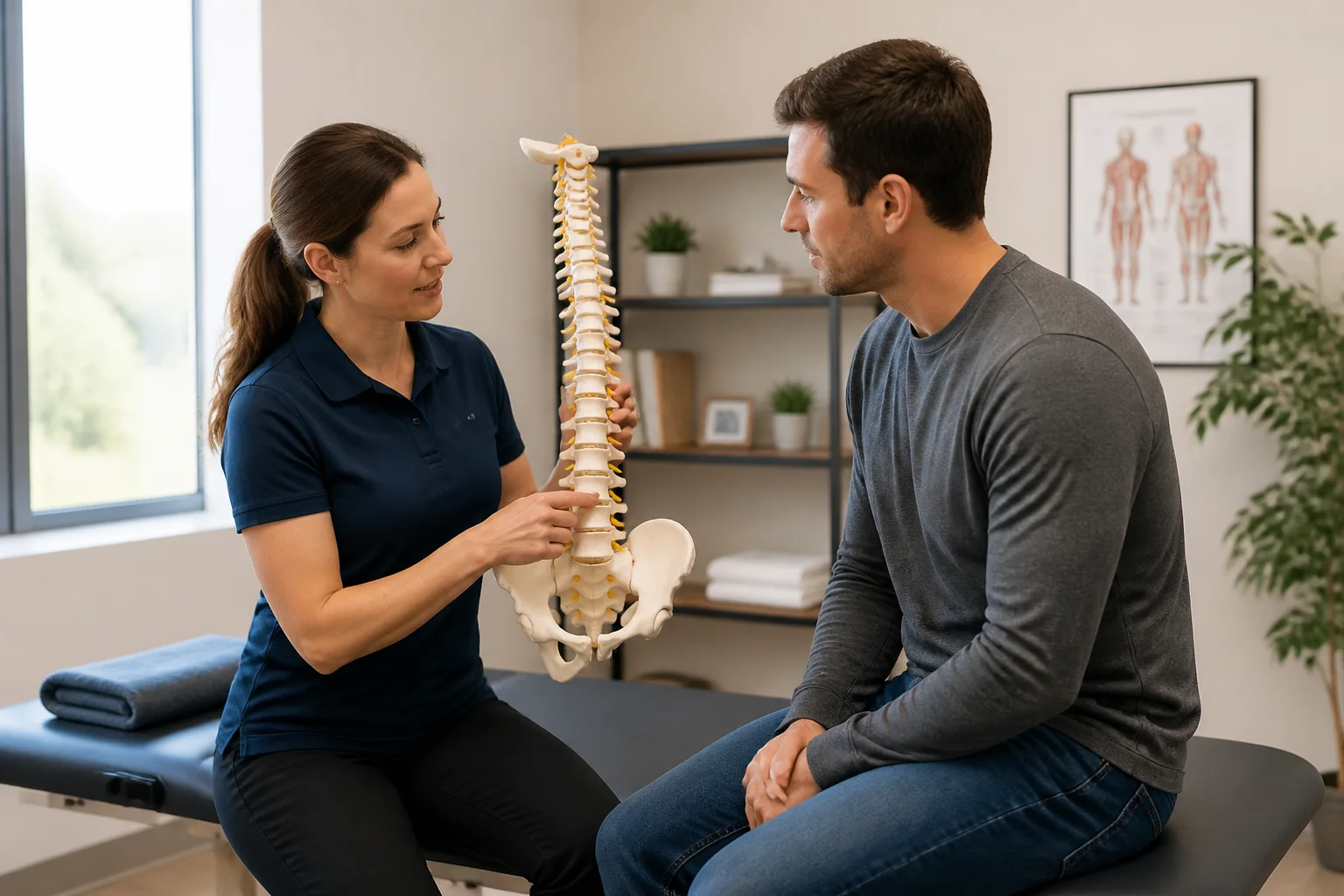
Yes, chiropractic care can help many cases of sciatica. Clinical research shows that spinal manipulation reduces sciatic nerve pain, improves mobility, and may decrease the need for surgery in patients with disc herniations. However, chiropractic treatment is not appropriate for every cause of sciatica, and certain red-flag symptoms require immediate medical attention instead.
Quick Fact
🏥 Studies show chiropractic care reduces sciatica pain by 40–60%
Most patients see improvement within 6–12 sessions of spinal manipulation therapy
Sciatica affects up to 40% of adults at some point in their lives, and when that searing pain shoots from your lower back down through your leg, you want answers fast. One of the most common questions patients ask is whether a chiropractor can help — and whether the evidence actually supports it, or if it is just anecdotal hype.
In this guide, we break down exactly what the research says about chiropractic treatment for sciatica, what techniques are used, who benefits most, and when you should skip the chiropractor's office entirely.
 Hero visual for this section
What Is Sciatica and Why Does It Happen?
 Comparison visual for What Is Sciatica and Why Does It Happen?
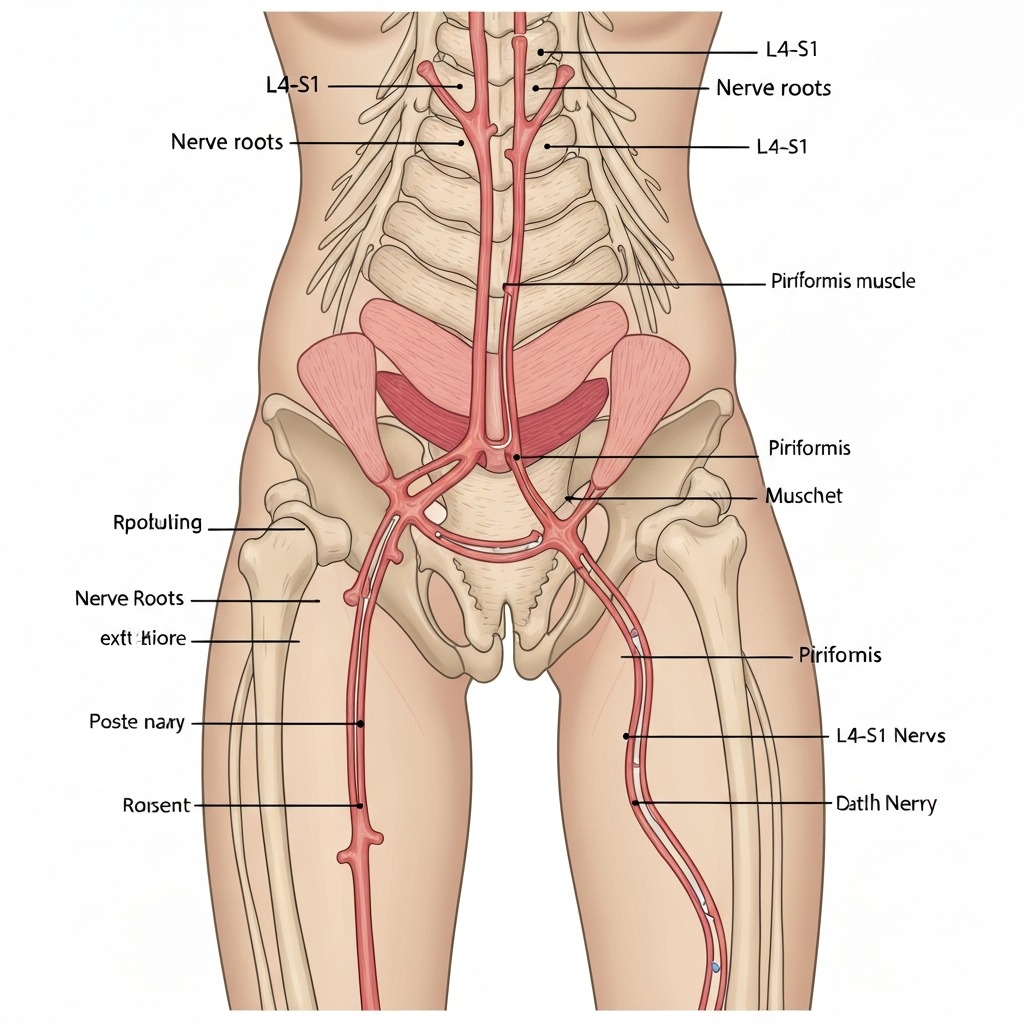
Before diving into chiropractic treatment, it helps to understand what sciatica actually is. Sciatica is not a diagnosis in itself — it is a symptom. It describes pain that radiates along the path of the sciatic nerve, which runs from the lower back through the hips and buttocks and down each leg.
The most common causes of sciatica include:
- Lumbar disc herniation — a bulging or ruptured disc presses on a nerve root (accounts for roughly 90% of cases)
- Spinal stenosis — narrowing of the spinal canal compresses the nerve
- Spondylolisthesis — one vertebra slips forward over the one below it
- Piriformis syndrome — the piriformis muscle in the buttock irritates or compresses the sciatic nerve (learn more in our guide on sciatica vs. piriformis syndrome)
- Degenerative disc disease — age-related wear reduces disc height and can narrow nerve exit points
The underlying cause matters enormously when deciding whether chiropractic care is the right path. A chiropractor can address many of these mechanical causes effectively, but some require surgical or medical intervention.
What Does a Chiropractor Actually Do for Sciatica?
 Infographic visual for What Does a Chiropractor Actually Do for Sciatica?
Chiropractic treatment for sciatica is not a single technique — it is a combination of manual therapies tailored to the individual patient. Here is what a typical treatment plan looks like.
Spinal Manipulation (Adjustments)
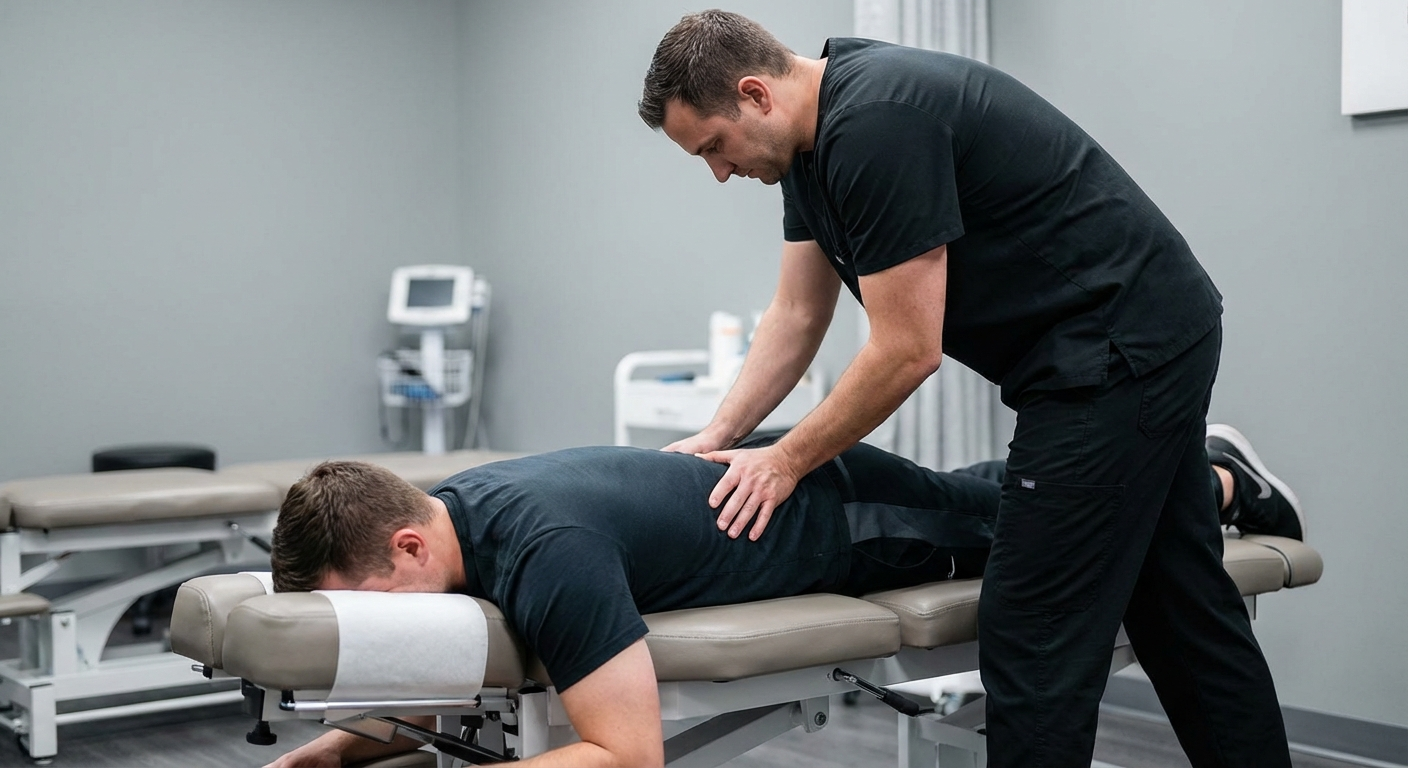
This is the cornerstone of chiropractic care. The chiropractor applies controlled, sudden force to a specific spinal joint — usually in the lumbar spine for sciatica patients. The goal is to restore proper alignment, improve joint mobility, and reduce pressure on the irritated nerve root.
There are several types of spinal manipulation used for sciatica:
- High-velocity, low-amplitude (HVLA) thrusts — the classic chiropractic "crack," which involves a quick, targeted push to a restricted joint
- Flexion-distraction technique — a gentle, non-thrusting approach that uses a specialized table to decompress spinal discs. This is particularly effective for disc herniations and is widely studied in sciatica research
- Drop-table technique — uses a segmented table that drops slightly during the adjustment, reducing the force needed
Soft Tissue Therapy
Many chiropractors incorporate soft tissue work to address the muscular component of sciatica:
- Myofascial release — sustained pressure on connective tissue restrictions to reduce pain and restore motion
- Trigger point therapy — targeted pressure on hyperirritable spots in muscle that refer pain along the sciatic nerve pathway
- Instrument-assisted soft tissue mobilization (IASTM) — tools are used to break up adhesions in muscles and fascia around the lumbar spine, glutes, and hamstrings
Therapeutic Exercises and Rehabilitation
Evidence-based chiropractors do not rely solely on adjustments. They prescribe specific exercises to support recovery and prevent recurrence. These typically include:
- McKenzie method extensions — directional preference exercises that help centralize and reduce radicular pain
- Core stabilization exercises — to strengthen the muscles that support the lumbar spine
- Nerve flossing (neural mobilization) — gentle movements that help the sciatic nerve glide more freely through surrounding tissues
For a comprehensive library of movements you can do at home, see our guide on sciatica exercises.
Adjunctive Therapies
Depending on the practice, additional modalities may be used alongside manual therapy:
- Cold laser therapy (low-level laser therapy) — to reduce inflammation around the nerve root
- Electrical muscle stimulation (EMS) — to reduce muscle spasm and pain
- Ultrasound therapy — deep-tissue heating to improve blood flow and reduce stiffness
- Spinal decompression therapy — motorized traction that gently stretches the spine to relieve disc pressure
What the Evidence Says: Clinical Research on Chiropractic and Sciatica
 Setup visual for What the Evidence Says: Clinical Research on Chiropractic and Sciatica
Let us move past anecdotes and look at what peer-reviewed research actually shows.
Systematic Reviews and Meta-Analyses
A 2010 systematic review published in the Journal of Manipulative and Physiological Therapeutics (JMPT) evaluated the effectiveness of spinal manipulation for lumbar disc herniation with radiculopathy. The review found that 60% of patients who had failed other medical management benefited from spinal manipulation to the same degree as if they had undergone surgical intervention. This finding was particularly notable because it suggested manipulation could serve as a viable alternative to surgery for certain patients.
A 2015 Cochrane review on spinal manipulative therapy (SMT) for chronic low-back pain concluded that SMT produces similar effects to other recommended therapies, including exercise and standard medical care. While this review focused broadly on low-back pain rather than sciatica specifically, a significant proportion of the included studies involved patients with radiating leg pain.
Randomized Controlled Trials
A landmark 2006 study published in The Spine Journal compared active spinal manipulation to simulated manipulation in patients with acute low-back pain and sciatica. The study found that patients receiving active manipulation experienced significantly greater reductions in pain, improved function, and higher patient satisfaction compared to the sham group.
Research published in 2014 in the Journal of Manipulative and Physiological Therapeutics followed 40 patients with MRI-confirmed lumbar disc herniations and sciatica treated with high-velocity, low-amplitude spinal manipulation. At 3 months, 90.5% of patients reported clinically significant improvement in pain, and these results were maintained at the 1-year follow-up. Notably, none of the patients required surgery during the follow-up period.
A 2013 study in Spine compared surgery versus conservative care (including spinal manipulation) for lumbar disc herniation with radiculopathy. While surgery provided faster initial pain relief, outcomes at 1 and 2 years were similar between the two groups — suggesting that conservative care, including chiropractic treatment, may be a reasonable first-line approach before considering surgery.
Flexion-Distraction Research
The flexion-distraction technique has particularly strong evidence for sciatica. A 2010 prospective outcomes study published in the Journal of Manipulative and Physiological Therapeutics found that patients with symptomatic lumbar disc herniation treated with flexion-distraction experienced a 71% reduction in leg pain and a 67% reduction in disability scores after 12 treatment sessions.
What the Evidence Tells Us Overall
The research consistently supports several conclusions:
- Spinal manipulation can be effective for sciatica, particularly when caused by lumbar disc herniation
- Outcomes comparable to surgery are achievable for many patients at 1-2 year follow-ups
- Flexion-distraction is particularly well-studied and effective for disc-related sciatica
- Combined approaches (manipulation + exercise + soft tissue work) tend to outperform single-modality treatment
- Early intervention correlates with better outcomes — do not wait months to seek care
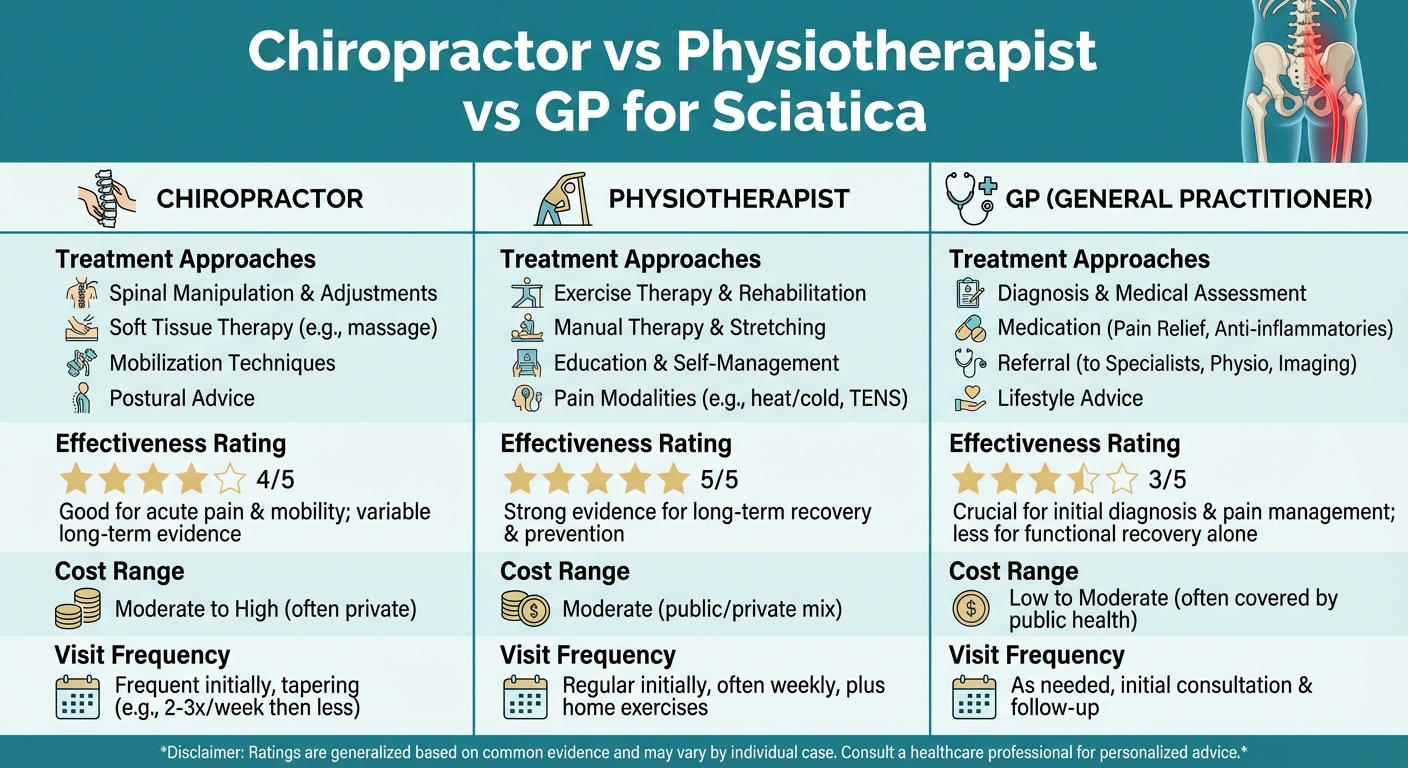
Chiropractor vs. Physiotherapist vs. GP for Sciatica: Comparison
 Detail visual for Chiropractor vs. Physiotherapist vs. GP for Sciatica: Comparison
Choosing between providers can be confusing. Here is how they compare across key factors:
| Factor | Chiropractor | Physiotherapist | General Practitioner (GP) |
|---|---|---|---|
| Primary approach | Spinal manipulation, soft tissue therapy, rehabilitation | Exercise-based rehab, manual therapy, movement retraining | Medication, referrals, imaging orders |
| Best for | Acute flare-ups with restricted spinal mobility, disc herniations | Long-term rehab, post-surgical recovery, chronic cases | Initial assessment, ruling out serious pathology, pain management |
| Typical session length | 15–30 minutes | 30–60 minutes | 10–15 minutes |
| Average sessions needed | 8–16 over 4–8 weeks | 6–12 over 6–12 weeks | 1–3 visits (then referral) |
| Direct access (no referral) | Yes, in most regions | Yes, in most regions | N/A |
| Imaging/diagnostics | Can order X-rays; may refer for MRI | Cannot order imaging (varies by region) | Can order all imaging and blood work |
| Prescribe medication | No | No | Yes |
| Surgical referral | Can refer to orthopedic or neurosurgeon | Can refer to orthopedic or neurosurgeon | Yes |
| Evidence base for sciatica | Moderate-to-strong for disc-related sciatica | Strong for chronic sciatica and prevention | Strong for acute pain management |
| Cost per session (approx.) | current cost varies | current cost varies | current cost varies (with insurance variable) |
| Insurance coverage | Covered by most plans with visit limits | Covered by most plans | Covered by most plans |
The bottom line: These providers are not mutually exclusive. Many patients achieve the best results by combining chiropractic care for acute symptom relief with physiotherapy exercises for long-term prevention, and GP oversight for medication management and diagnostic imaging when needed.
When to See a Chiropractor for Sciatica
 Lifestyle visual for When to See a Chiropractor for Sciatica
Chiropractic care tends to work best for sciatica in the following situations:
You Are a Good Candidate If:
- Your sciatica is caused by a lumbar disc herniation — this is where the strongest evidence lies
- You have acute or subacute symptoms (less than 12 weeks) — early intervention yields better results
- Your pain is primarily mechanical — meaning it changes with position, movement, or activity
- You have restricted lumbar spine mobility — stiffness in your lower back alongside leg pain
- You want to avoid or delay surgery — research supports trying conservative care for 6-8 weeks before considering surgical options
- You have had sciatica before and responded well to manual therapy — past response is a reliable predictor of future benefit
- Your pain is disrupting sleep — see our guide on best sleeping positions for sciatica for complementary strategies
Tips for Choosing the Right Chiropractor
Not all chiropractors practice the same way. To maximize your chances of a good outcome:
- Ask about their experience with sciatica specifically — look for practitioners who regularly treat radiculopathy
- Check their approach — evidence-based chiropractors combine adjustments with exercise prescription and patient education
- Confirm they will review your imaging — a chiropractor treating sciatica should want to see your MRI or at least refer you for one if you do not have one
- Look for multimodal care — practitioners who only perform adjustments without exercise or soft tissue work are missing part of the evidence-based equation
- Avoid anyone who requires long-term contracts or excessive treatment plans upfront — a reasonable initial plan is 4-8 weeks with reassessment
When NOT to See a Chiropractor: Red Flags
 Product Lineup visual for When NOT to See a Chiropractor: Red Flags
This section could save you from serious harm. Certain sciatica presentations are medical emergencies or require specialized care that falls outside the chiropractic scope.
Seek Emergency Medical Care Immediately If You Have:
- Cauda equina syndrome symptoms — loss of bladder or bowel control, saddle anesthesia (numbness around the groin and inner thighs), or rapidly progressing weakness in both legs. This is a surgical emergency.
- Severe, progressive motor weakness — if you cannot lift your foot (foot drop) or your leg is giving way, you need urgent neurological evaluation
- Sciatica following major trauma — such as a car accident or significant fall, which may indicate fracture or spinal instability
Chiropractic May Not Be Appropriate If:
- You have severe spinal stenosis — significant narrowing may not respond to manipulation and could require surgical decompression
- You have spinal instability or advanced spondylolisthesis — high-velocity manipulation on an unstable spine carries risk
- You have a spinal tumor or infection — these require oncological or infectious disease management
- You have severe osteoporosis — bones weakened by osteoporosis may not tolerate the forces used in spinal manipulation
- Your symptoms have not improved after 4-6 weeks of chiropractic care — if there is no meaningful progress, reassessment and possibly a different treatment approach is warranted
- You have an inflammatory condition such as ankylosing spondylitis that is mimicking sciatica
If you are unsure whether your sciatica is appropriate for chiropractic care, start with your GP or a spine specialist for a diagnostic workup. A good chiropractor will also screen for these red flags during your initial examination and refer you out if needed.
Supporting Your Recovery at Home
 Tips visual for Supporting Your Recovery at Home
Whether you choose chiropractic care or not, self-management plays a critical role in sciatica recovery. Here are evidence-backed strategies to complement your treatment.
Stay Active (Within Reason)
Bed rest was once the standard recommendation for sciatica. Current evidence strongly contradicts that approach. Prolonged inactivity leads to muscle deconditioning, increased stiffness, and slower recovery. Gentle walking, swimming, or specific sciatica exercises keep tissues mobile and reduce inflammation.
Optimize Your Sleep Position
Night-time pain is one of the most disruptive aspects of sciatica. The position you sleep in can either compress or decompress the affected nerve root. Side-sleeping with a pillow between the knees is generally the most comfortable position. For a detailed breakdown, read our guide on best sleeping positions for sciatica.
Use Supportive Products
Certain products can provide meaningful relief between appointments:
-
Foam roller for piriformis and glute release — a high-density foam roller helps release tension in the muscles surrounding the sciatic nerve. Regular use between chiropractic visits can extend the benefits of treatment. Retail availability varies
-
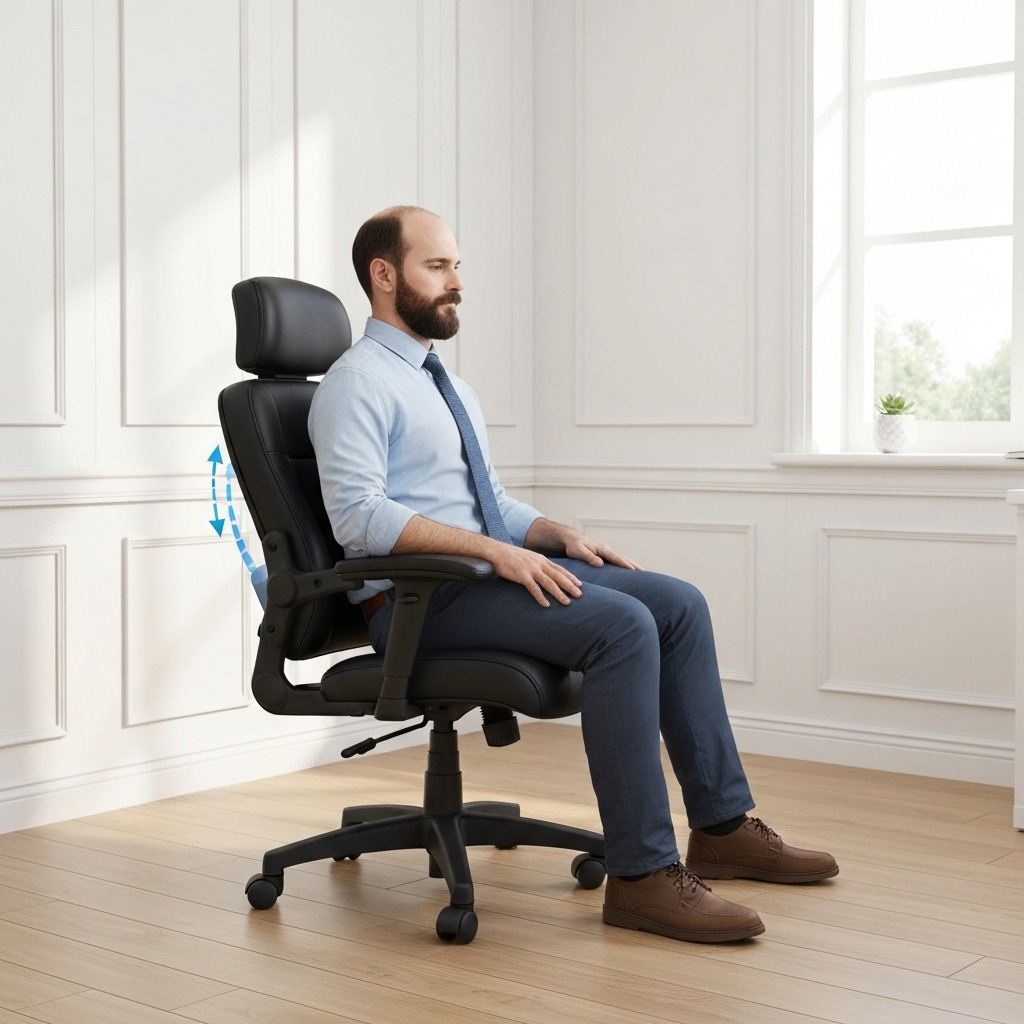
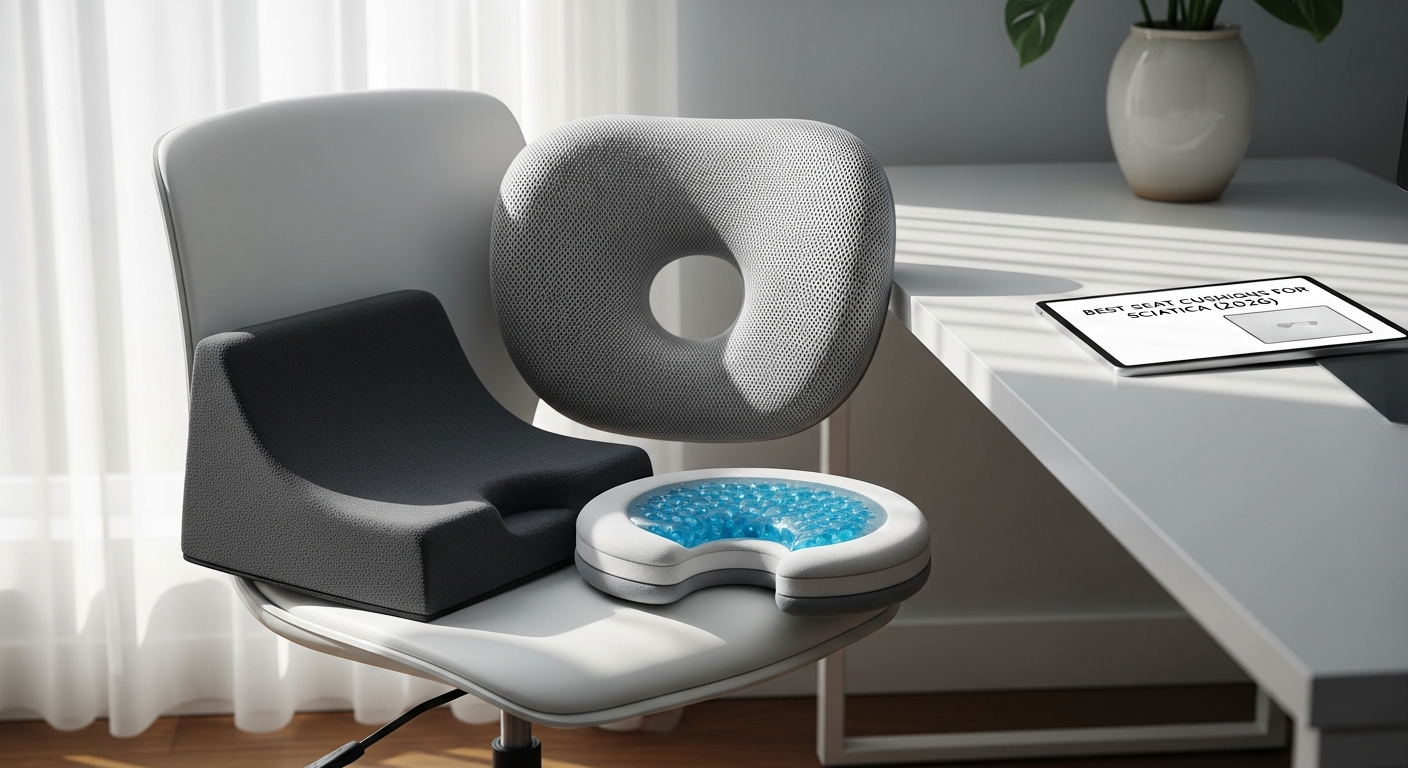
Lumbar support cushion for sitting — if you work at a desk or drive frequently, a contoured lumbar support cushion maintains the natural curve of your lower back and reduces pressure on the lumbar discs. Retail availability varies
-
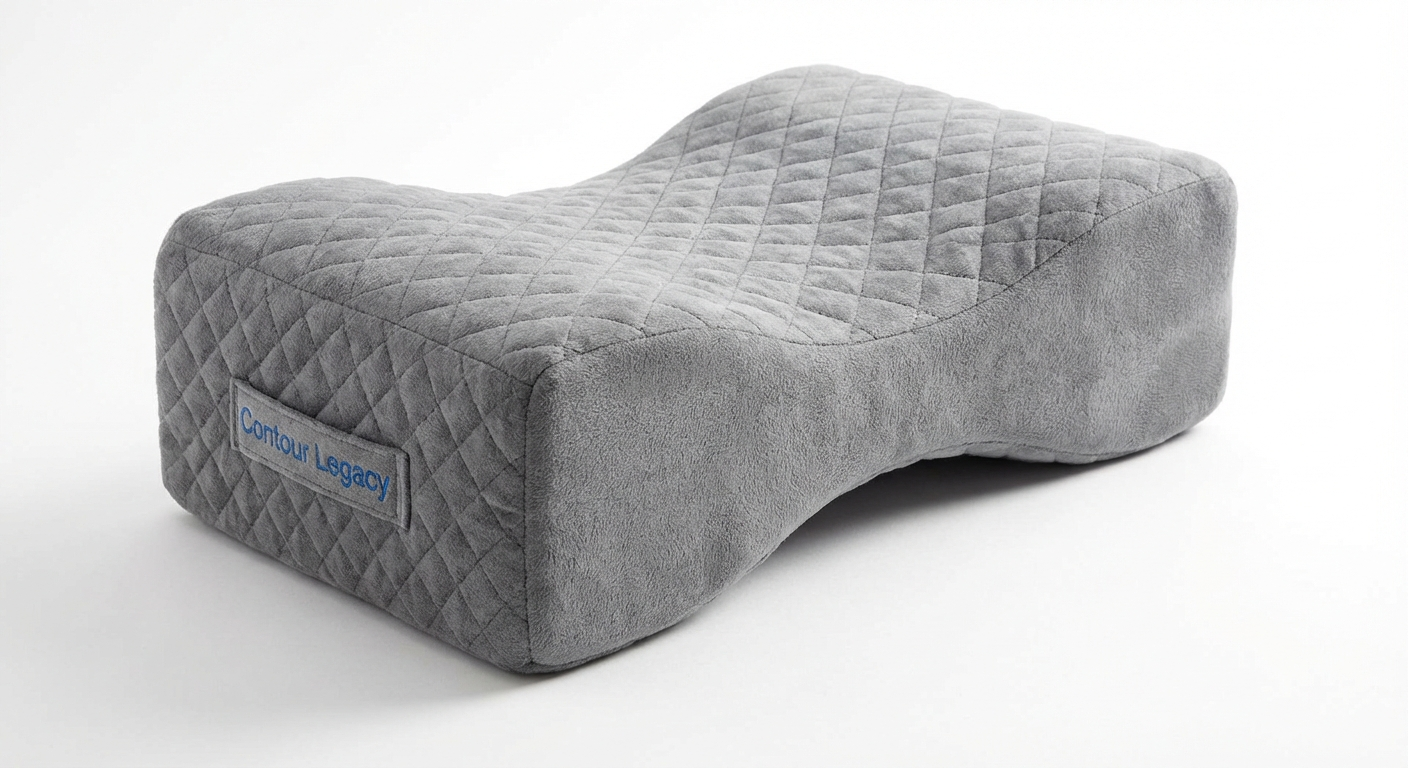
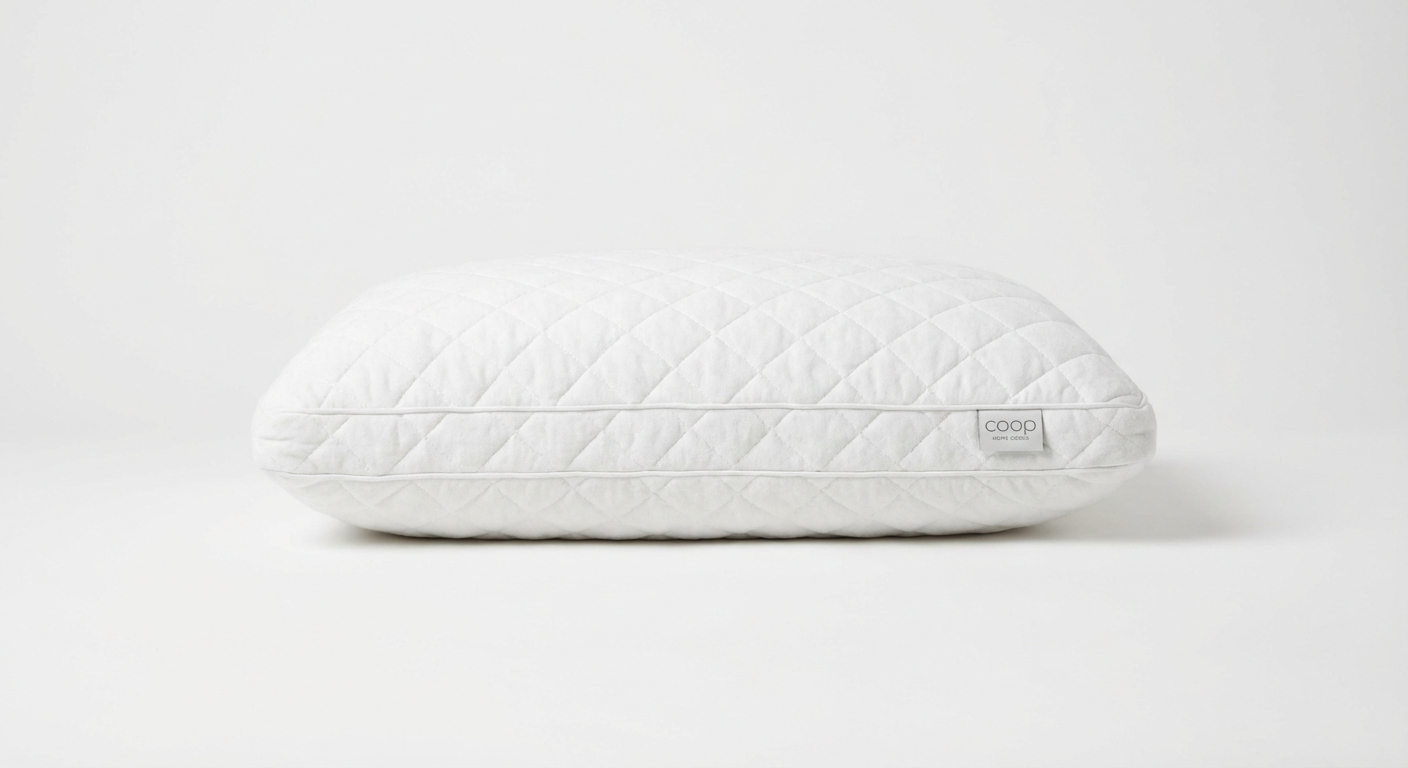
Sciatic nerve pillow (knee pillow) — specifically designed to keep your hips aligned during sleep, reducing overnight nerve irritation. Retail availability varies
-
TENS unit for home pain relief — transcutaneous electrical nerve stimulation can provide temporary pain relief between treatment sessions. Portable units are affordable and easy to use. Retail availability varies
Apply Ice and Heat Strategically
For acute flare-ups, apply ice to the lower back for 15-20 minutes every few hours during the first 48-72 hours. After the acute phase, alternate between ice and moist heat. Heat increases blood flow and relaxes muscles, while ice reduces inflammation. Many patients find that ice works better for the lower back (where the nerve root is compressed) and heat works better for the buttock and leg (where the muscle is in spasm).
What to Expect During Your First Chiropractic Visit for Sciatica
Knowing what to expect can reduce anxiety and help you prepare.
Initial Consultation and Examination (30–60 Minutes)
Your first visit will typically include:
- Detailed health history — when the pain started, what makes it better or worse, prior treatments, and any relevant medical conditions
- Orthopedic and neurological examination — including straight leg raise test, reflexes, muscle strength testing, and sensory examination
- Postural and movement assessment — watching how you walk, bend, and move to identify biomechanical patterns
- Review of imaging — your chiropractor should review any existing MRI or X-ray results, or refer you for imaging if clinically indicated
- Diagnosis and treatment plan — a clear explanation of what is causing your sciatica and a proposed treatment approach with expected timelines
Subsequent Treatment Sessions (15–30 Minutes)
Follow-up visits are shorter and focused on treatment:
- Spinal manipulation or mobilization
- Soft tissue therapy as needed
- Progress assessment — your chiropractor should be tracking your symptoms at each visit
- Exercise progression — home exercises should be updated as you improve
When to Expect Improvement
Most patients notice some improvement within 2-4 visits, though this varies based on severity and chronicity. A reasonable expectation:
- Weeks 1-2: Reduced pain intensity, particularly at rest
- Weeks 3-4: Improved mobility and function, less frequent pain episodes
- Weeks 5-8: Significant symptom resolution for most acute cases
- Beyond 8 weeks: If no meaningful improvement has occurred, reassessment is needed
Frequently Asked Questions
Can a chiropractor fix sciatica permanently?
Chiropractic care can provide significant and lasting relief for many sciatica patients, but whether it is permanent depends on the underlying cause. Disc-related sciatica often responds well to a course of spinal manipulation combined with rehabilitative exercises, with many patients remaining pain-free for years. However, if the root cause — such as poor posture, sedentary habits, or degenerative changes — is not addressed, symptoms may return. Maintenance visits every 4-8 weeks can help prevent recurrence for some patients.
How many chiropractic sessions does it take to relieve sciatica?
Most chiropractors recommend an initial treatment plan of 8 to 16 sessions over 4 to 8 weeks for sciatica. Many patients report noticeable improvement within 3 to 4 visits. Acute sciatica from a recent disc herniation may resolve faster, while chronic cases with long-standing nerve compression typically require a longer course of care. Your chiropractor should reassess your progress at regular intervals and adjust the plan accordingly.
Is it safe to see a chiropractor for sciatica during pregnancy?
Yes, chiropractic care is generally considered safe during pregnancy and can be particularly helpful for pregnancy-related sciatica. The growing uterus shifts your center of gravity forward, increasing lumbar lordosis and potentially compressing the sciatic nerve. Many chiropractors are trained in prenatal techniques, such as the Webster Technique, which uses gentle adjustments suited for pregnant patients. Always inform your chiropractor that you are pregnant and ensure they have specific experience with prenatal care.
Should I see a chiropractor or physiotherapist for sciatica?
Both can be effective, and they are not mutually exclusive. Chiropractors focus on spinal manipulation to restore joint mobility and reduce nerve compression, while physiotherapists emphasize exercise-based rehabilitation and movement retraining. For acute sciatic flare-ups with restricted spinal movement, chiropractic adjustments may provide faster initial relief. For long-term prevention and functional recovery, physiotherapy exercises are highly valuable. Many patients benefit most from a combination of both approaches. Check our sciatica exercises guide for movements recommended by both professions.
Can a chiropractor make sciatica worse?
In rare cases, chiropractic manipulation can temporarily increase sciatic pain, particularly if the diagnosis is inaccurate or if overly aggressive techniques are used on an acutely inflamed nerve root. Mild soreness for 24-48 hours after an adjustment is normal and expected. Serious complications are extremely rare but can include worsening disc herniation or, in very rare cases, cauda equina syndrome. This is why a thorough examination and imaging review before treatment is critical. If you experience worsening leg weakness, numbness, or bladder or bowel changes after an adjustment, seek emergency medical care immediately.
What type of chiropractor is best for sciatica?
Look for a chiropractor who specializes in spinal conditions and uses evidence-based methods. Credentials such as a Diplomate of the American Board of Chiropractic Orthopedists (DABCO) or additional certification in spinal rehabilitation indicate advanced training. Chiropractors who use a combination of spinal manipulation, soft tissue therapy, and prescribe rehabilitative exercises tend to achieve the best outcomes for sciatica. Avoid practitioners who rely solely on one technique or who do not incorporate active patient participation through exercise.
The Bottom Line
Chiropractic care is a well-studied, evidence-supported treatment option for sciatica — particularly when the cause is a lumbar disc herniation or mechanical spinal dysfunction. The research shows outcomes comparable to surgery for many patients, with significantly lower risk and cost.
However, it is not a one-size-fits-all solution. The effectiveness depends on an accurate diagnosis, a skilled practitioner, and a treatment plan that combines manual therapy with active rehabilitation. If your sciatica involves red-flag symptoms like progressive weakness, loss of bladder control, or saddle numbness, skip the chiropractor and go straight to the emergency room.
For most people with sciatica, the practical approach is this: start with conservative care — including chiropractic treatment, targeted exercises, and lifestyle modifications — for 6-8 weeks. If symptoms are not improving meaningfully, escalate to advanced imaging and specialist consultation. Surgery should be a last resort, not a first response.
Your sciatic nerve is the longest nerve in your body. It deserves a thoughtful, evidence-based approach to treatment — and for many patients, that approach starts with a good chiropractor.