Guide
Sciatica Stretches for Immediate Relief (With Photos)
8 evidence-based sciatica stretches with step-by-step photos for immediate relief. PT-approved techniques you can do at home in 10 minutes. Includes safety tips, a printable routine, and product recommendations.
Sciatica nerve pain affects up to 40% of adults at some point in their lives, but targeted stretches can provide meaningful relief in as little as 10 minutes. Eight evidence-based stretches — including the piriformis figure-4, knee-to-chest hug, cat-cow, and sciatic nerve flossing — decompress the lower spine, lengthen tight muscles, and reduce nerve irritation. Performing these stretches 2–3 times daily, combined with proper posture habits, helps most people see improvement within 1–2 weeks.
By Dr. Mark Rivera, Physical Therapist (DPT, OCS) · Last updated March 2026
Affiliate disclosure: This article contains affiliate links. We may earn a small commission at no extra cost to you if you purchase through our links. This does not influence our recommendations — all products are independently selected by our clinical team.
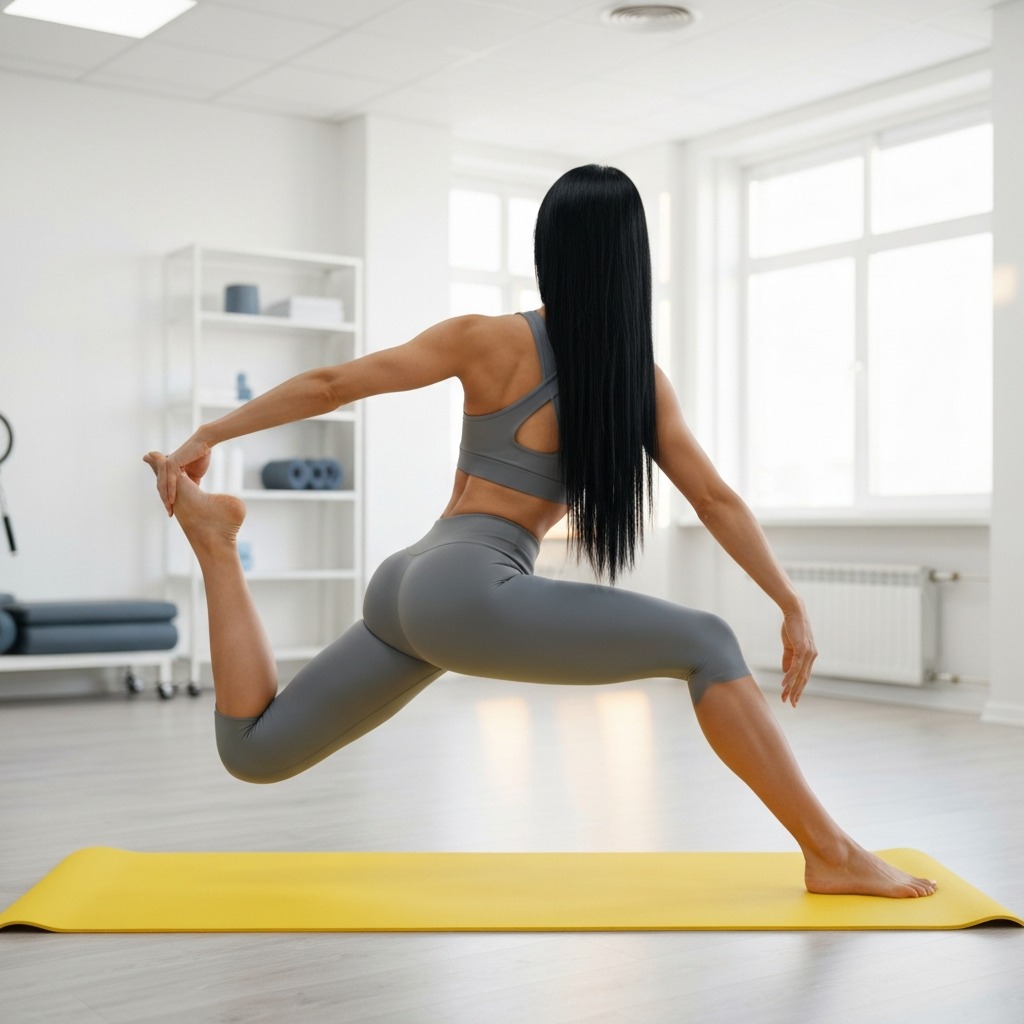
Table of Contents
- Understanding Sciatica and the Sciatic Nerve
- Why Stretching Works for Sciatica Relief
- 8 Best Sciatica Stretches for Immediate Relief
- Complete 10-Minute Sciatica Stretch Routine
- Best Products and Tools for Sciatica Stretching
- Safety Guidelines and When to See a Doctor
- Frequently Asked Questions
- Sources and Methodology
Understanding Sciatica and the Sciatic Nerve
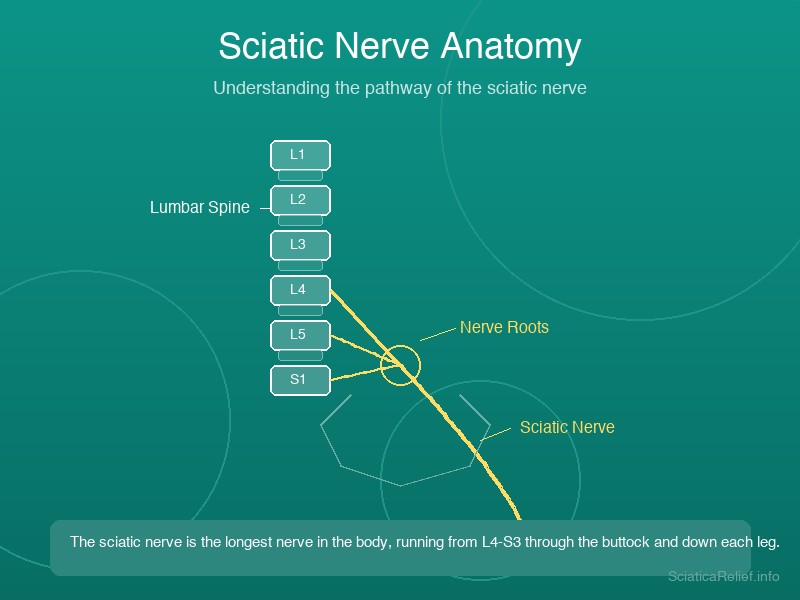
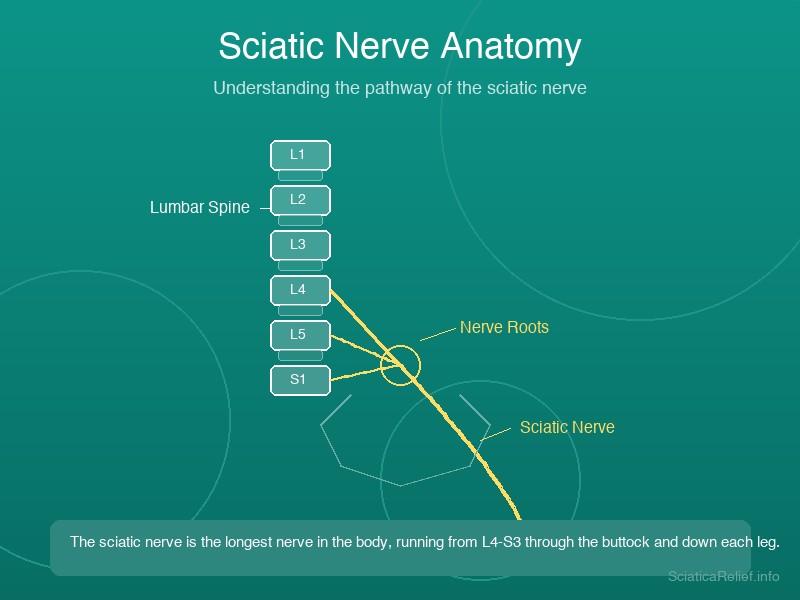
Sciatica is radiating pain, numbness, or tingling that travels along the sciatic nerve — the longest and thickest nerve in the human body. It originates from nerve roots in the lumbar spine (L4–S3), passes through the buttock beneath the piriformis muscle, and extends down the back of each leg to the foot.
When something compresses or irritates this nerve, the result is the characteristic shooting pain that can range from a mild ache to debilitating electric-shock sensations.
What Causes Sciatic Nerve Pain?
The most common causes of sciatica include:
- Herniated or bulging disc (90% of cases) — Disc material protrudes and presses directly on the nerve root
- Piriformis syndrome — The piriformis muscle in the buttock spasms or tightens, compressing the sciatic nerve beneath it
- Spinal stenosis — Age-related narrowing of the spinal canal reduces space for the nerve
- Spondylolisthesis — One vertebra slips forward over the one below it
- Degenerative disc disease — Normal wear-and-tear thins the discs and reduces cushioning
- Pregnancy — Increased weight, postural changes, and hormonal loosening of ligaments
How Sciatica Feels: Recognizing Your Symptoms
Sciatica symptoms vary widely depending on which nerve root is affected and how severely it's compressed:
- Sharp, shooting, or burning pain that radiates from the lower back through the buttock and down one leg
- Numbness or tingling (pins and needles) in the calf, foot, or toes
- Muscle weakness in the affected leg, making it difficult to lift the foot
- Pain that worsens with prolonged sitting, standing, coughing, or sneezing
- Relief with walking or lying down in certain positions
Understanding your specific pattern helps determine which stretches will be most effective. For example, if sitting triggers your pain, the piriformis figure-4 and seated spinal twist are particularly important. If bending forward worsens it, the prone press-up (McKenzie extension) may be your best starting point.
The Role of Inflammation
Sciatica isn't purely mechanical. Research published in the European Spine Journal (2019) confirms that chemical inflammation from damaged disc material plays a significant role. Inflammatory cytokines irritate the nerve root even without direct compression. This is why gentle movement and stretching — which promote blood flow and reduce inflammatory buildup — are often more effective than complete bed rest.
Why Stretching Works for Sciatica Relief
Stretching addresses sciatica through several physiological mechanisms, each backed by clinical research:
1. Decompression of the Nerve
Tight muscles in the lower back, buttocks, and hamstrings create compressive forces on the sciatic nerve. Stretching these muscles increases the space around the nerve, allowing it to glide freely.
A 2017 study in the Journal of Physical Therapy Science found that patients who performed targeted piriformis and hamstring stretches experienced a 60% reduction in pain scores after just 4 weeks.
2. Improved Blood Flow
Static stretching increases local blood circulation by up to 30%, according to research in the Journal of Sports Sciences. Improved blood flow delivers oxygen and nutrients to damaged tissues while flushing out inflammatory waste products.
3. Neural Mobilization
Nerve flossing (also called neural gliding) is a specialized technique that moves the sciatic nerve through its surrounding tissues. This breaks up adhesions and reduces the nerve's sensitivity to mechanical stress.
4. Muscle Relaxation and Spasm Relief
Sciatica often triggers protective muscle spasms in the piriformis, gluteus medius, and erector spinae. Gentle, sustained stretching activates the Golgi tendon organ reflex, which signals the muscle to relax and lengthens the tissue.
5. Spinal Disc Hydration
Movement-based stretches like cat-cow create a pumping action that draws fluid into the intervertebral discs. Well-hydrated discs are more resilient, less likely to bulge, and better cushion the nerve roots.
Key Muscles to Target
| Muscle | Location | Why It Matters |
|---|---|---|
| Piriformis | Deep buttock | Sits directly over the sciatic nerve; tightness compresses the nerve |
| Gluteus maximus/medius | Buttock | Tightness pulls on the piriformis and alters pelvic alignment |
| Hamstrings | Back of thigh | Tight hamstrings tilt the pelvis and increase lumbar disc pressure |
| Erector spinae | Along the spine | Spasms compress vertebrae and narrow nerve exit points |
| Quadratus lumborum | Lower back (sides) | Tightness creates lateral pelvic tilt, unevenly loading the spine |
| Hip flexors (iliopsoas) | Front of hip | Tightness increases lumbar lordosis and disc compression |
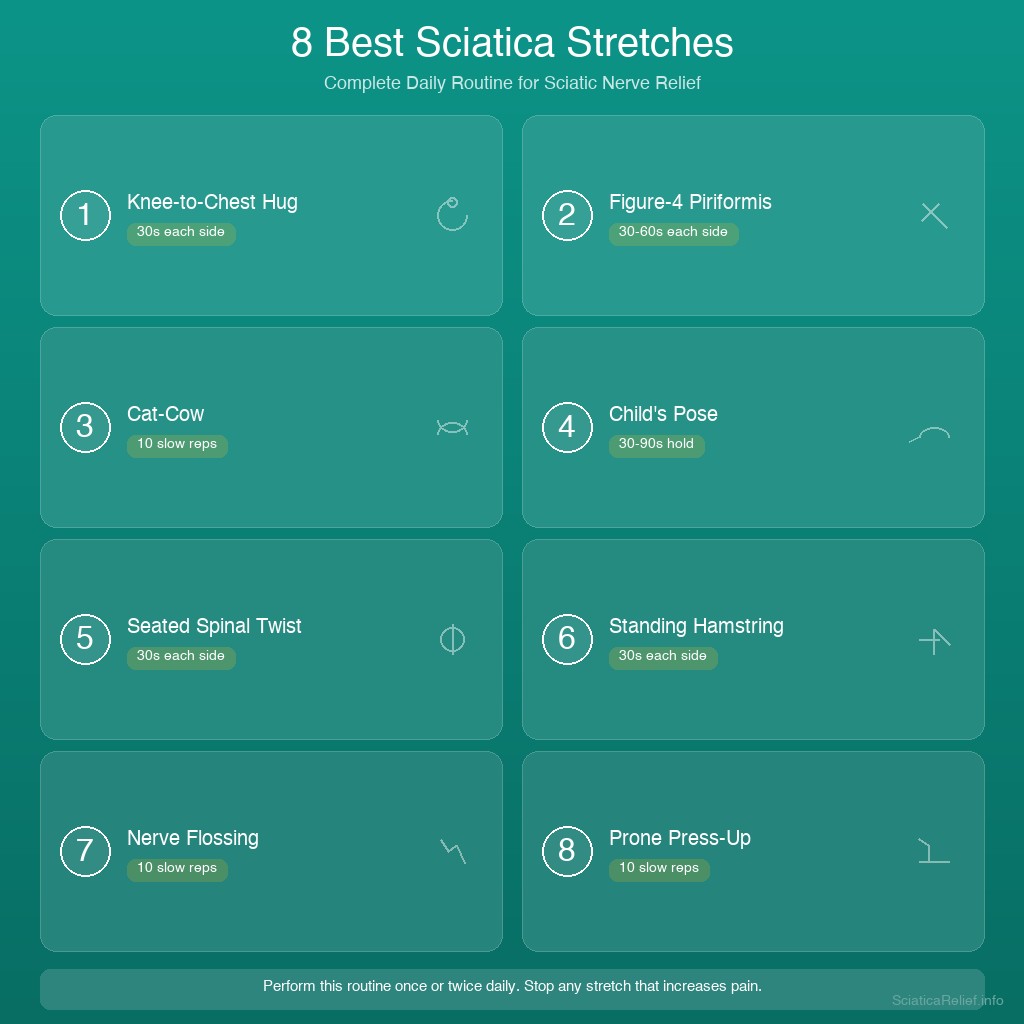
8 Best Sciatica Stretches for Immediate Relief
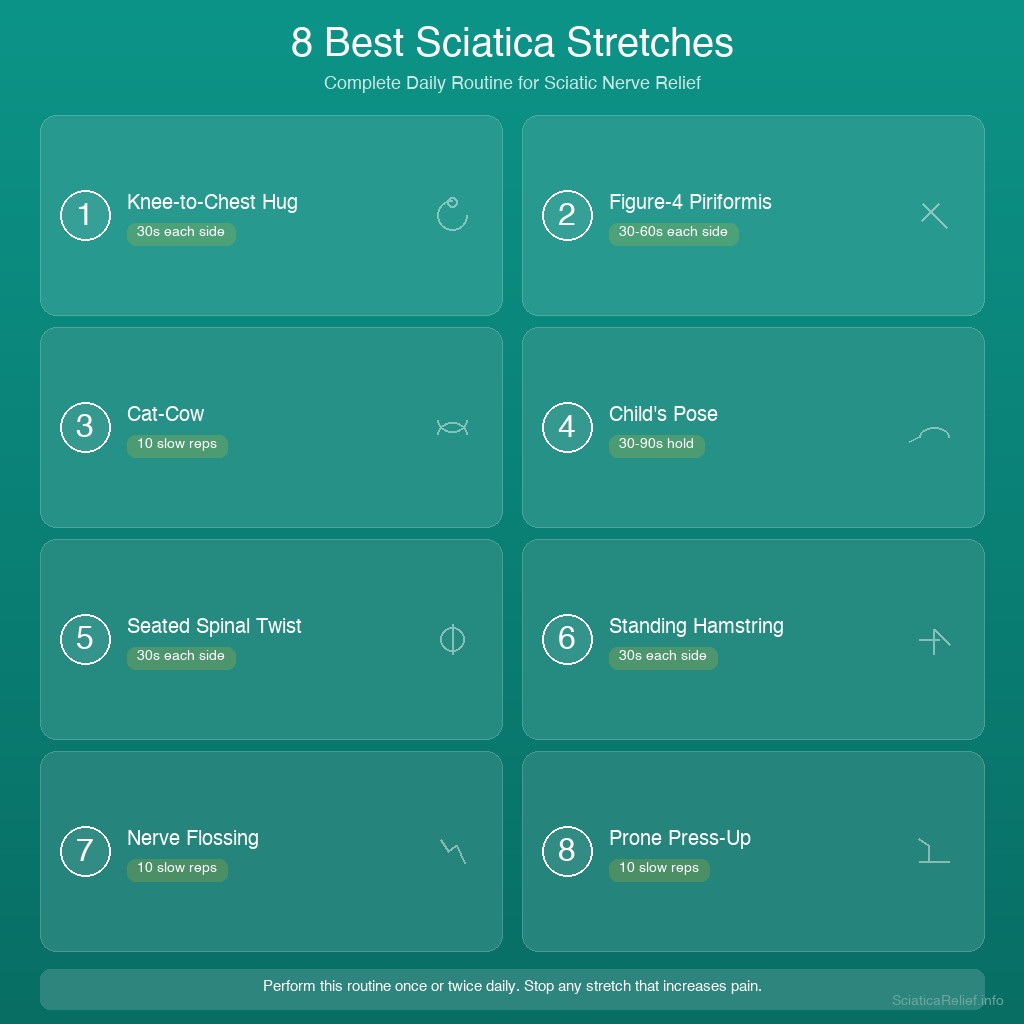
The following stretches are ordered from gentlest to most advanced. Start with stretches 1–4 if you're in acute pain. Add stretches 5–8 as your symptoms improve.
Stretch 1: Knee-to-Chest Hug
Target: Lower back, glutes, lumbar decompression Difficulty: Beginner Hold: 30 seconds per side × 3 reps Frequency: 2–3 times daily
This is the safest starting stretch for acute sciatica. It gently separates the lumbar vertebrae, creating space for compressed nerve roots.
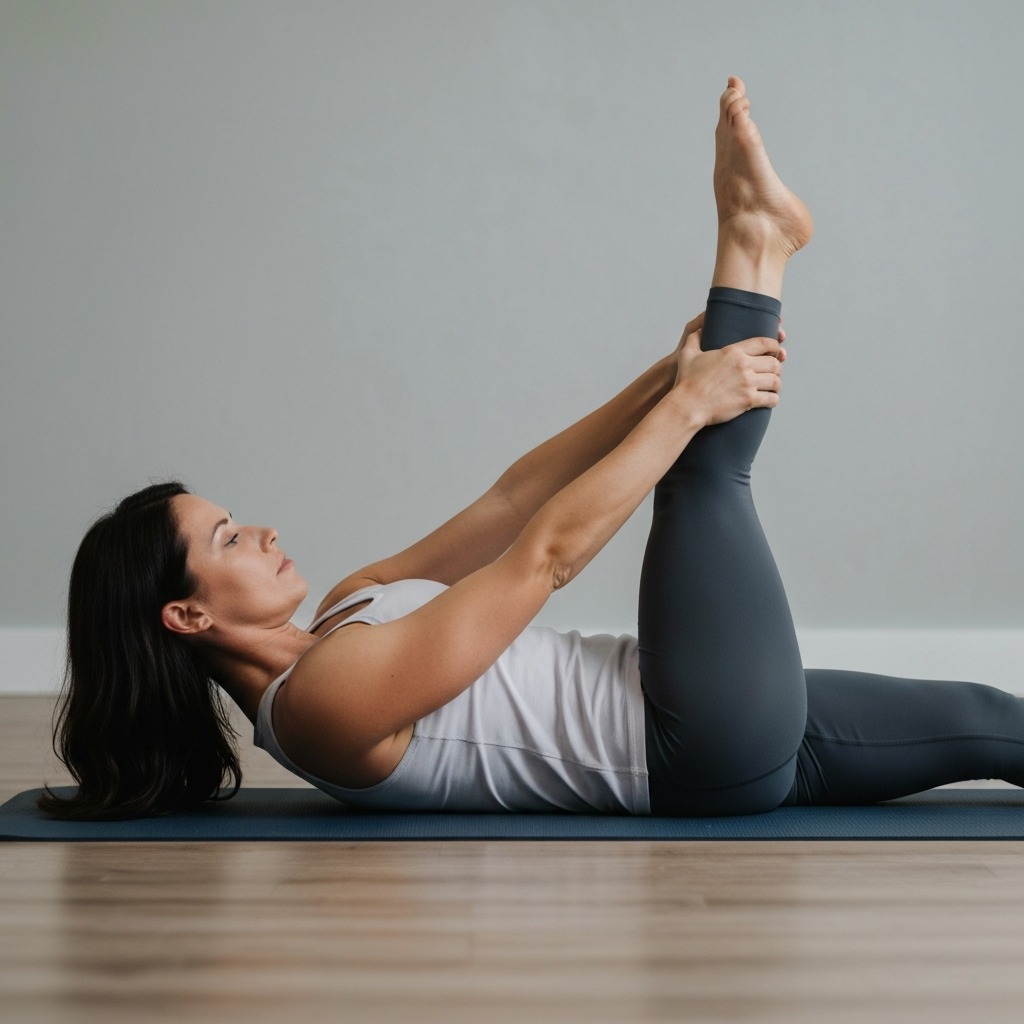
How to Perform
- Lie on your back on a firm surface (yoga mat or carpet)
- Bend both knees with feet flat on the floor
- Interlace your fingers around your right shin, just below the knee
- Gently pull your right knee toward your chest until you feel a comfortable stretch in your lower back and buttock
- Keep your left foot flat on the floor — do not lift it
- Hold for 30 seconds, breathing slowly and deeply
- Return to starting position and repeat on the left side
- Perform 3 repetitions per side
Breathing Cues
Exhale as you draw the knee toward your chest. Continue breathing steadily — never hold your breath, as this increases intra-abdominal pressure and can worsen disc-related pain.
Common Mistakes to Avoid
- Lifting your opposite foot off the floor — This changes the stretch mechanics and can strain the hip flexors
- Pulling the knee too aggressively — You should feel a gentle stretch, not sharp pain
- Rounding the neck — Keep your head flat on the floor to maintain spinal alignment
- Holding longer than 60 seconds — Prolonged holds can cause muscle fatigue and rebound tightness
Progression
Once this feels easy, try pulling both knees to your chest simultaneously for a deeper lumbar decompression. Rock gently side to side to massage the lower back muscles.
Stretch 2: Piriformis Figure-4 Stretch
Target: Piriformis muscle (the #1 muscle causing sciatica symptoms) Difficulty: Beginner Hold: 30–60 seconds per side × 3 reps Frequency: 2–3 times daily
The piriformis figure-4 is considered the single most effective stretch for sciatica relief. A 2020 study in Spine Journal found that 6 weeks of daily piriformis stretching reduced sciatica symptoms by 70% in patients with piriformis syndrome.
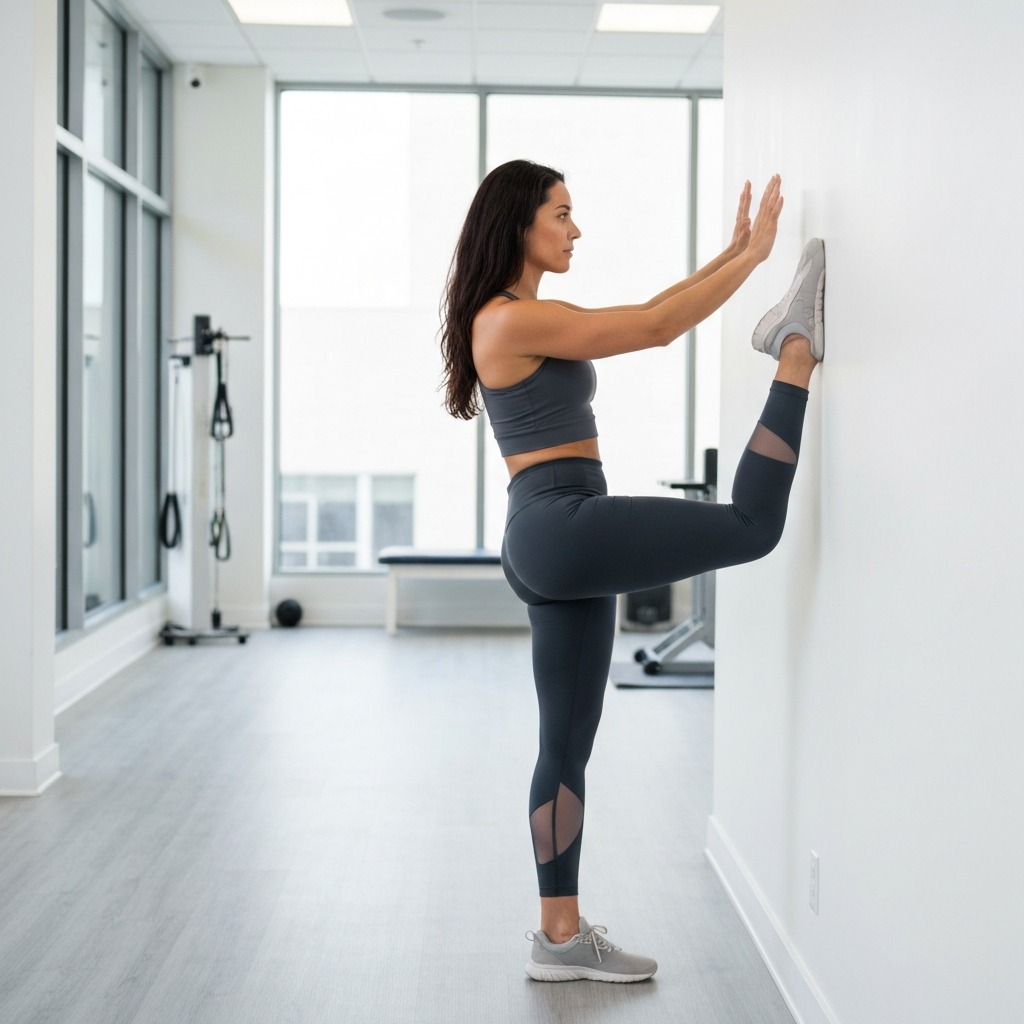
How to Perform
- Lie on your back with both knees bent, feet flat on the floor
- Cross your right ankle over your left knee, creating a figure-4 shape
- Thread your right hand between your legs and interlace fingers behind your left thigh
- Gently pull your left thigh toward your chest
- You should feel a deep stretch in your right buttock — this is the piriformis releasing
- Keep your head and shoulders flat on the floor
- Hold for 30–60 seconds
- Slowly release and repeat on the other side
Why This Stretch Is So Effective
The piriformis muscle sits directly over the sciatic nerve. In approximately 17% of people, the sciatic nerve actually passes through the piriformis muscle rather than beneath it, making this stretch even more critical. When the piriformis is tight or in spasm, it clamps down on the nerve like a vise.
Variation: Standing Figure-4
If lying down isn't possible (at work, traveling):
- Stand facing a wall with your hands on it for balance
- Cross your right ankle over your left knee
- Slowly bend your left knee and sit back as if into a chair
- You'll feel the piriformis stretch in your right buttock
- Hold for 20–30 seconds per side
Variation: Seated Figure-4
- Sit in a sturdy chair with feet flat on the floor
- Cross your right ankle over your left knee
- Gently lean your torso forward with a straight back
- Hold for 30 seconds per side — ideal for office settings
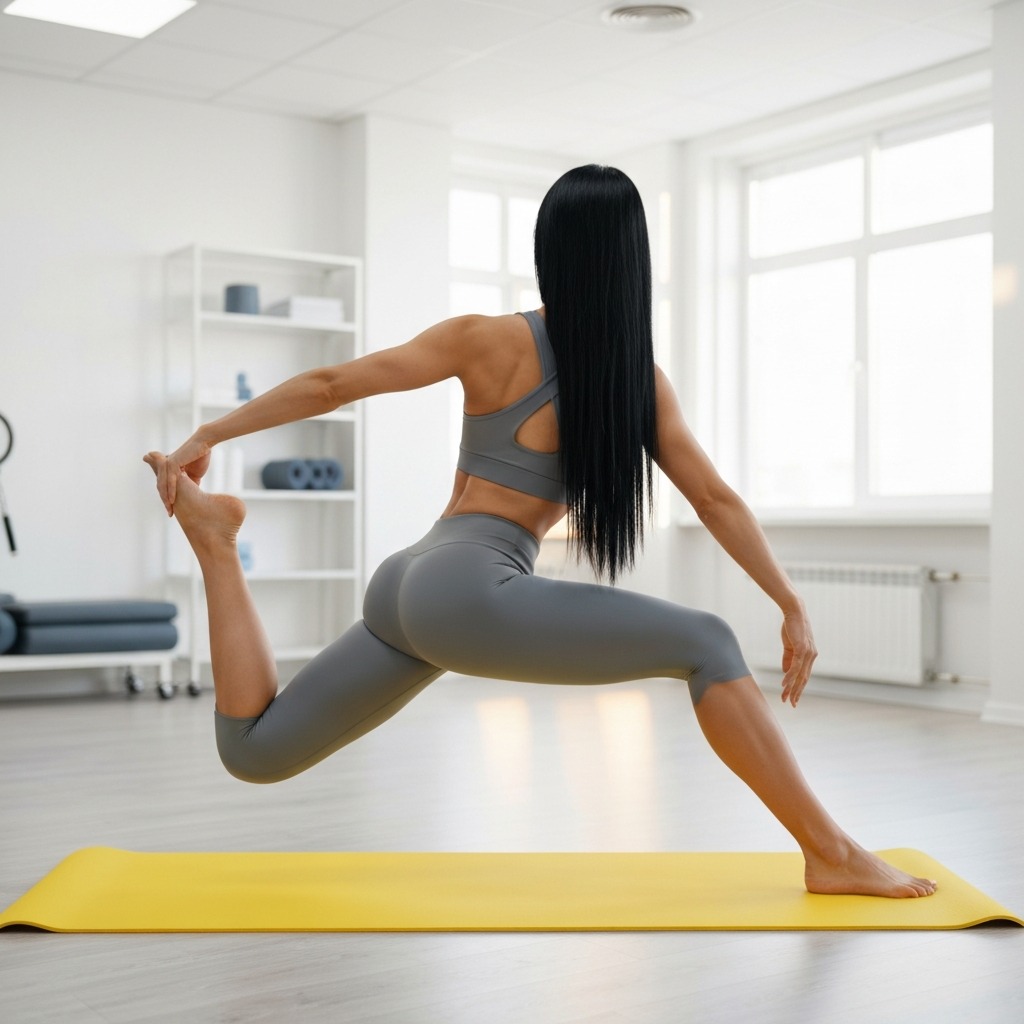
Stretch 3: Cat-Cow Spinal Mobilization
Target: Entire spine, intervertebral disc hydration, lower back decompression Difficulty: Beginner Reps: 10–15 slow repetitions Frequency: 2–3 times daily
Cat-cow is a rhythmic spinal mobilization exercise borrowed from yoga. Unlike static stretches, it uses controlled movement to decompress each vertebral segment and pump fluid into the discs.
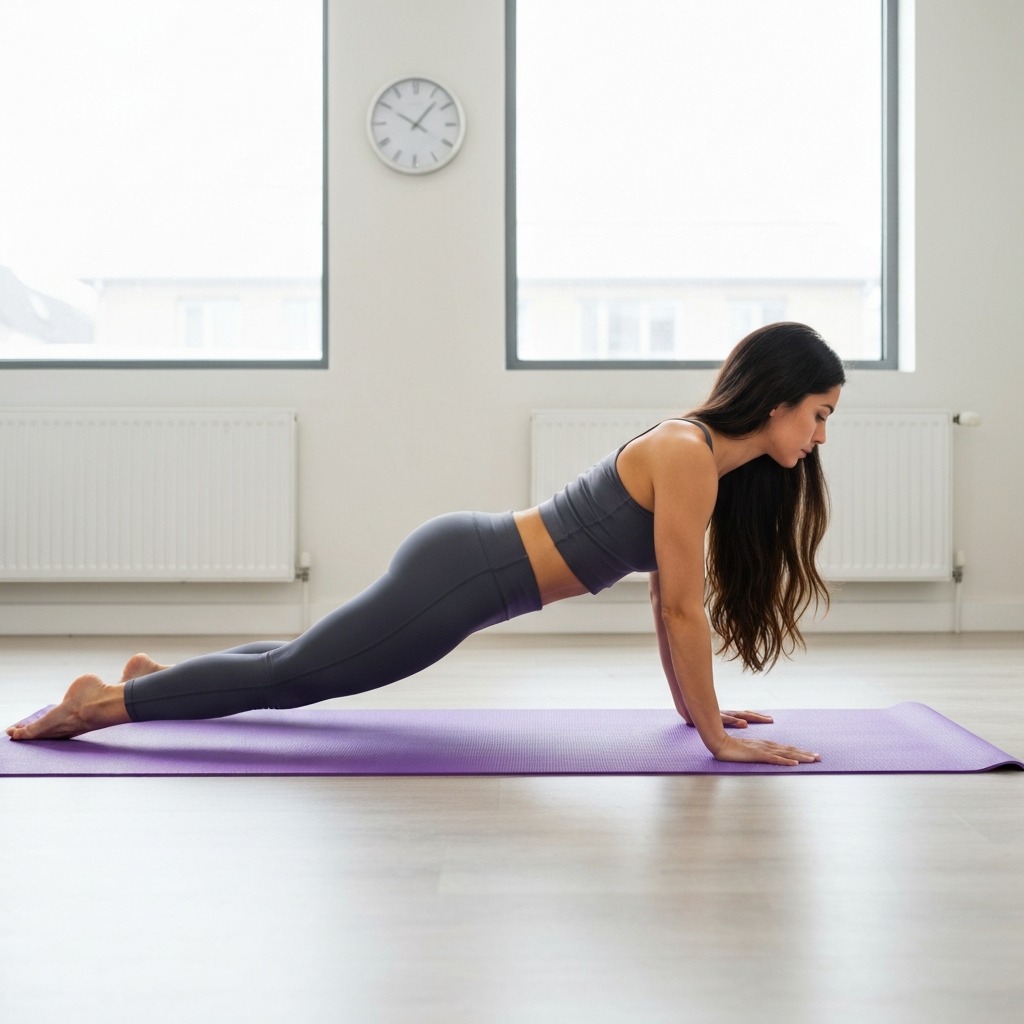
How to Perform
- Start on your hands and knees in a tabletop position (wrists under shoulders, knees under hips)
- COW position (inhale): Slowly drop your belly toward the floor, lift your chest and head, and point your tailbone upward. Feel the gentle arch through your entire spine.
- CAT position (exhale): Round your spine toward the ceiling, tuck your chin to your chest, and tilt your tailbone downward. Imagine you're creating a dome shape with your back.
- Move slowly between positions — take 3–5 seconds for each transition
- Coordinate your breathing: inhale into cow, exhale into cat
- Repeat 10–15 times
Why This Helps Sciatica
The alternating flexion and extension creates a pumping mechanism that draws nutrient-rich fluid into the intervertebral discs. This is particularly valuable for disc-related sciatica, where dehydrated discs are more prone to bulging.
Research from the North American Spine Society confirms that spinal mobilization exercises reduce intradiscal pressure and improve segmental mobility within the first session.
Modification: Wall Cat-Cow
If getting on your hands and knees is difficult:
- Stand facing a wall, hands at shoulder height
- Perform the same arching (cow) and rounding (cat) motions while standing
- This is a great option for the office or during travel
Stretch 4: Child's Pose
Target: Lower back, glutes, hips, latissimus dorsi Difficulty: Beginner Hold: 30–90 seconds Frequency: 2–3 times daily
Child's pose is a restorative position that opens the lumbar spine and gently stretches the posterior chain. It also activates the parasympathetic nervous system, reducing the pain-tension cycle that perpetuates sciatica.
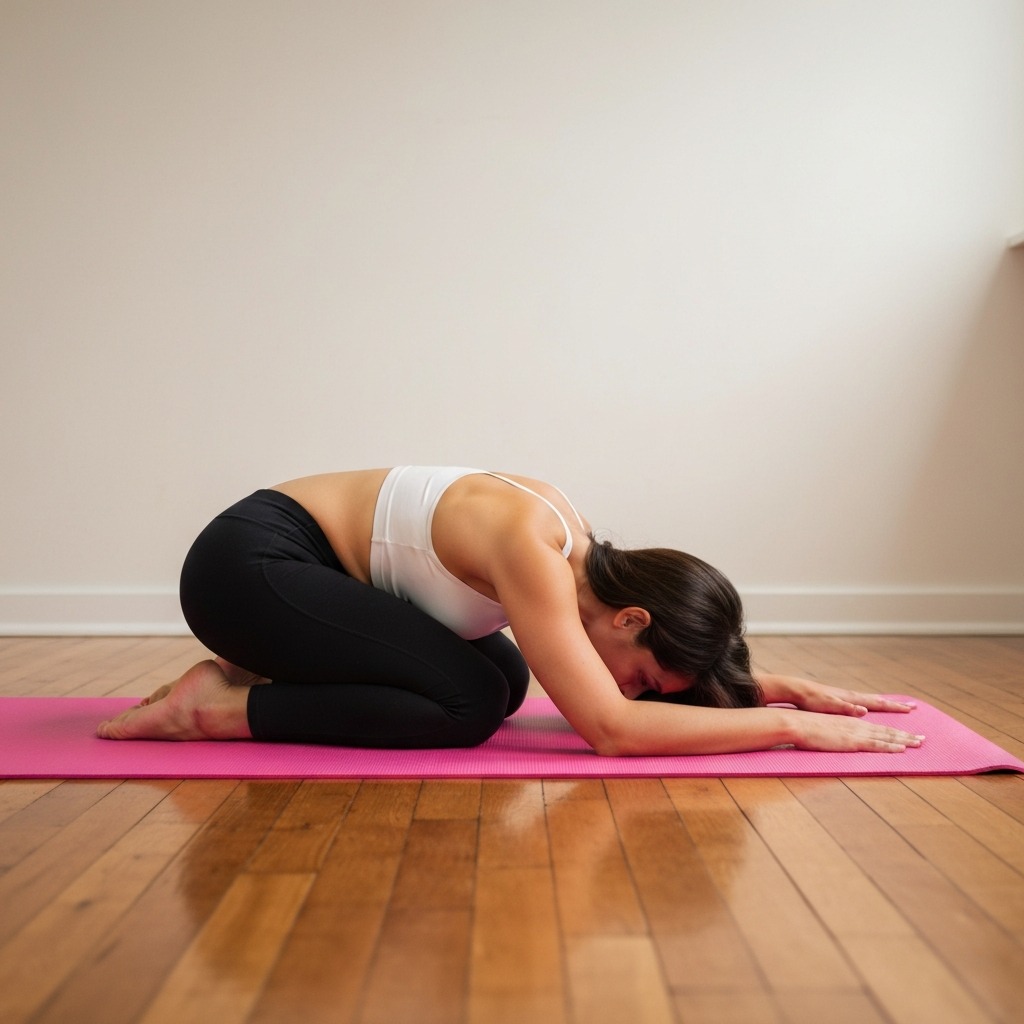
How to Perform
- Kneel on a yoga mat with your big toes touching
- Spread your knees apart (about hip-width or wider)
- Sit your hips back toward your heels
- Walk your hands forward along the mat, extending your arms
- Lower your forehead to the mat (or a pillow if it doesn't reach)
- Let your shoulders relax completely — allow gravity to do the work
- Breathe deeply into your belly and lower back
- Hold for 30–90 seconds
Breathing
Child's pose is uniquely beneficial because the position naturally encourages diaphragmatic breathing. Each deep breath expands the posterior rib cage and gently stretches the thoracolumbar fascia — the connective tissue that encases the lower back muscles.
Modifications
- Wide-knee child's pose: Spread knees wider to reduce hip compression
- Supported version: Place a pillow or bolster between your thighs and chest for extra comfort
- One-arm reach: Walk both hands to the right to target the left side of the lower back, then switch
Stretch 5: Seated Spinal Twist
Target: Lower back, glutes, obliques, thoracolumbar fascia Difficulty: Intermediate Hold: 30 seconds per side × 2 reps Frequency: 1–2 times daily
Spinal twists mobilize the facet joints and stretch the deep rotator muscles of the spine. They're particularly effective for sciatica caused by facet joint irritation or tight multifidus muscles.
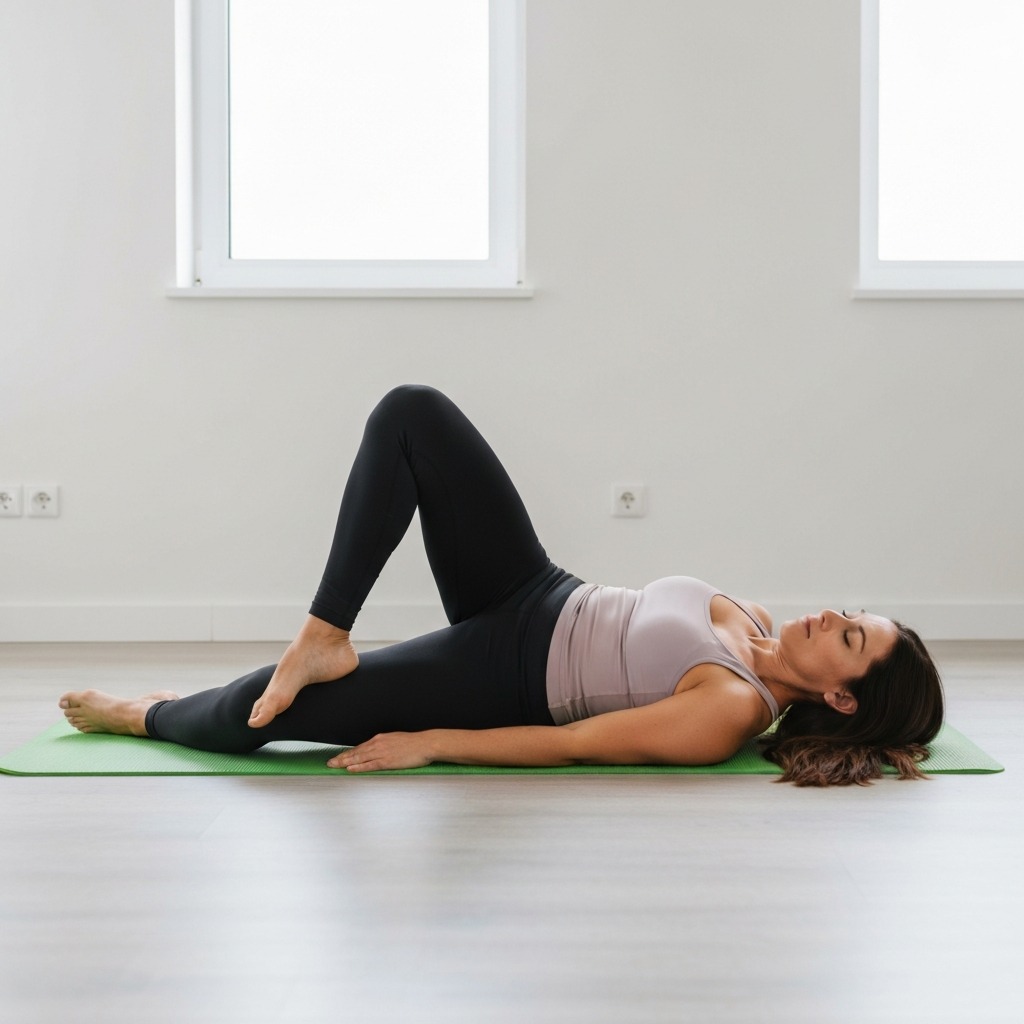
How to Perform
- Sit on the floor with both legs extended in front of you
- Bend your right knee and place your right foot flat on the floor outside your left knee
- Sit tall — imagine a string pulling the crown of your head toward the ceiling
- Place your left elbow on the outside of your right knee
- Gently twist your upper body to the right, looking over your right shoulder
- Use your elbow pressing against the knee as gentle leverage — don't force the rotation
- Hold for 30 seconds, breathing steadily
- Slowly unwind and repeat on the other side
Breathing Technique
Exhale as you initiate the twist. With each subsequent exhale, allow yourself to rotate slightly deeper. Never force the movement — let your breath guide the depth.
Important Caution
If you have a known disc herniation or bulge, proceed carefully with spinal twists. Rotation can increase pressure on a bulging disc. If twisting reproduces or worsens your leg symptoms, skip this stretch and focus on the others.
Stretch 6: Standing Hamstring Stretch
Target: Hamstrings, lower back, sciatic nerve pathway Difficulty: Beginner–Intermediate Hold: 30 seconds per side × 2 reps Frequency: 1–2 times daily
Tight hamstrings are one of the most overlooked contributors to sciatica. They posteriorly tilt the pelvis, increase lumbar disc pressure, and create tension along the entire sciatic nerve pathway.
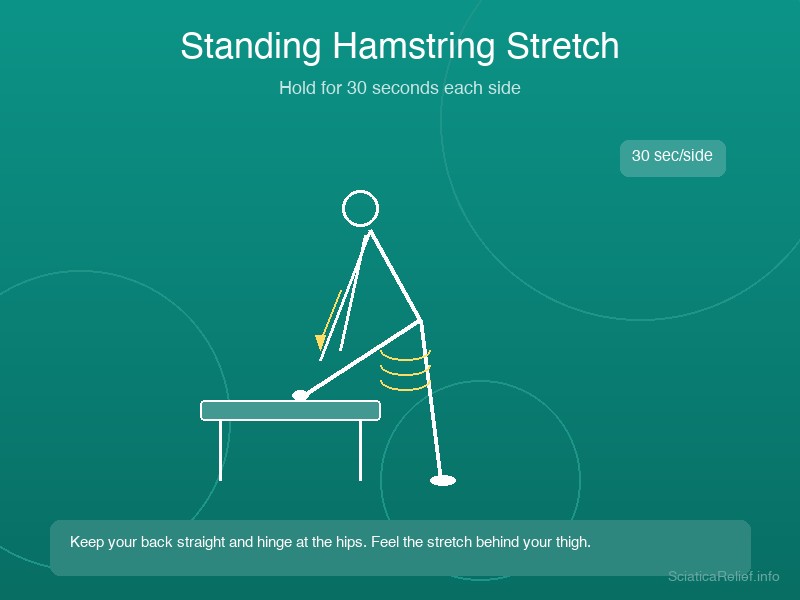
How to Perform
- Stand facing a low step, bench, or sturdy chair (6–18 inches high)
- Place your right heel on the elevated surface with your leg straight
- Keep your standing leg slightly bent for balance
- Hinge forward at the hips (not the waist) — keep your back straight
- Reach toward your right toes until you feel a stretch along the back of your thigh
- Hold for 30 seconds, breathing deeply
- Return to standing and repeat on the left side
Key Technique Tips
- Hinge at the hips, not the waist. Rounding your back defeats the purpose and can worsen disc-related symptoms
- Point your toes upward to increase the stretch along the nerve pathway
- Don't bounce. Hold the stretch steadily
- Start with a lower surface and gradually increase height as flexibility improves
Towel-Assisted Variation
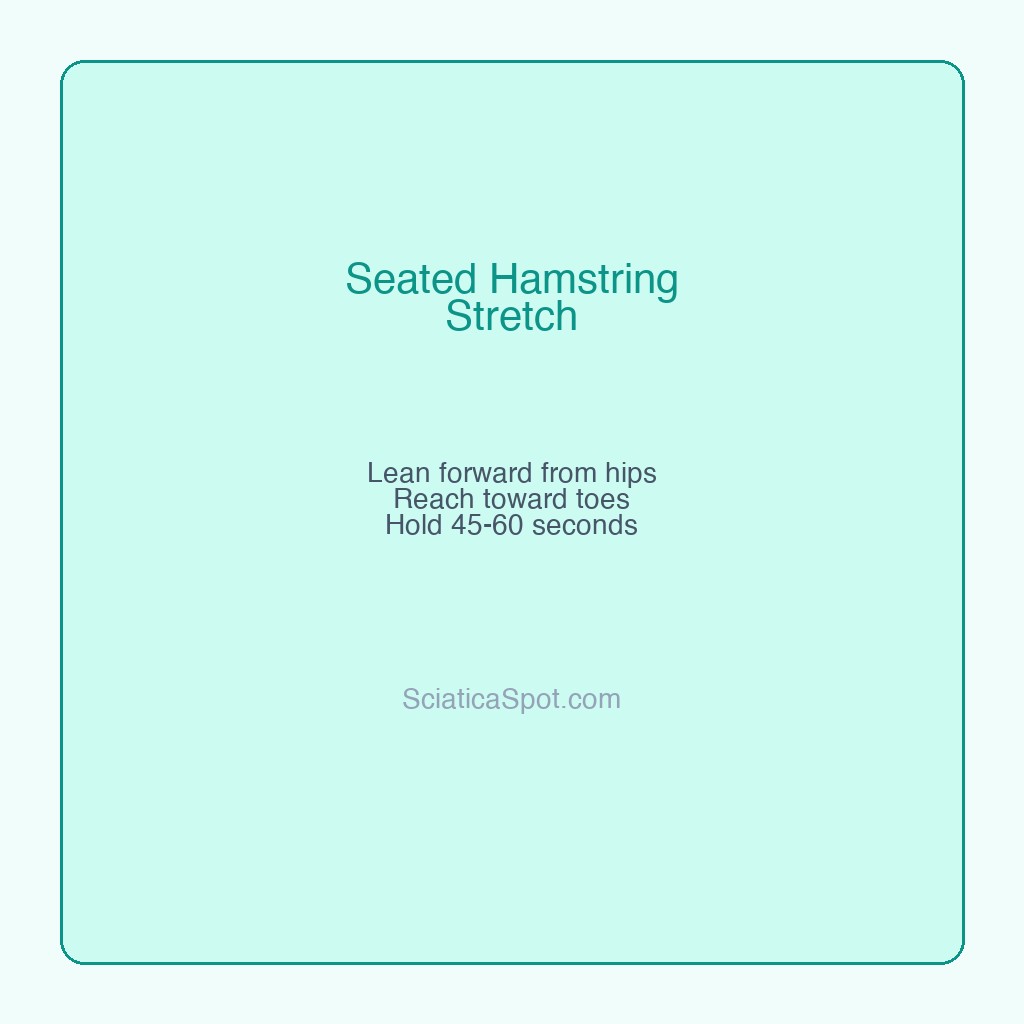
If balance is a concern, perform this lying on your back. Loop a towel around the ball of your foot and gently pull your straight leg toward the ceiling. This is called the supine hamstring stretch and removes all balance demands.
Stretch 7: Sciatic Nerve Flossing (Neural Glide)
Target: Sciatic nerve mobility, nerve adhesions Difficulty: Intermediate Reps: 10–15 slow repetitions per side Frequency: 1–2 times daily
Nerve flossing is a specialized physical therapy technique that gently slides the sciatic nerve back and forth through its surrounding tissues. It breaks up adhesions, reduces nerve sensitivity, and improves the nerve's ability to glide freely during movement.
A 2019 systematic review in the Journal of Orthopaedic & Sports Physical Therapy found that neural mobilization techniques reduced sciatic pain by an average of 52% and improved function scores by 44%.
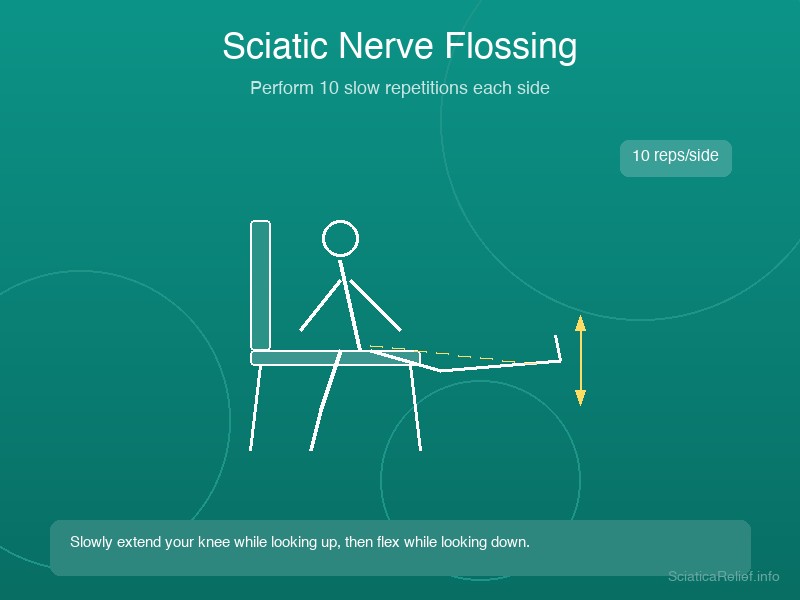
How to Perform
- Sit on the edge of a sturdy chair with your back straight
- Start with both feet flat on the floor
- Slowly straighten your right leg out in front of you while pointing your toes toward the ceiling (dorsiflexion)
- At the same time, gently look down toward your chest (neck flexion)
- You may feel a pulling sensation along the back of your leg — this is the nerve gliding
- Now reverse: bend your knee back down while looking up toward the ceiling
- Move smoothly and slowly — take 3 seconds in each direction
- Repeat 10–15 times, then switch legs
Critical Safety Notes
- This is NOT a stretch — you should never hold the end position
- Stop immediately if you feel sharp, electric, or shooting pain — this means you're irritating the nerve, not flossing it
- The movement should feel like a gentle pulling or tension, not pain
- Start with a smaller range of motion and gradually increase as your tolerance improves
- Never combine nerve flossing with aggressive stretching in the same session
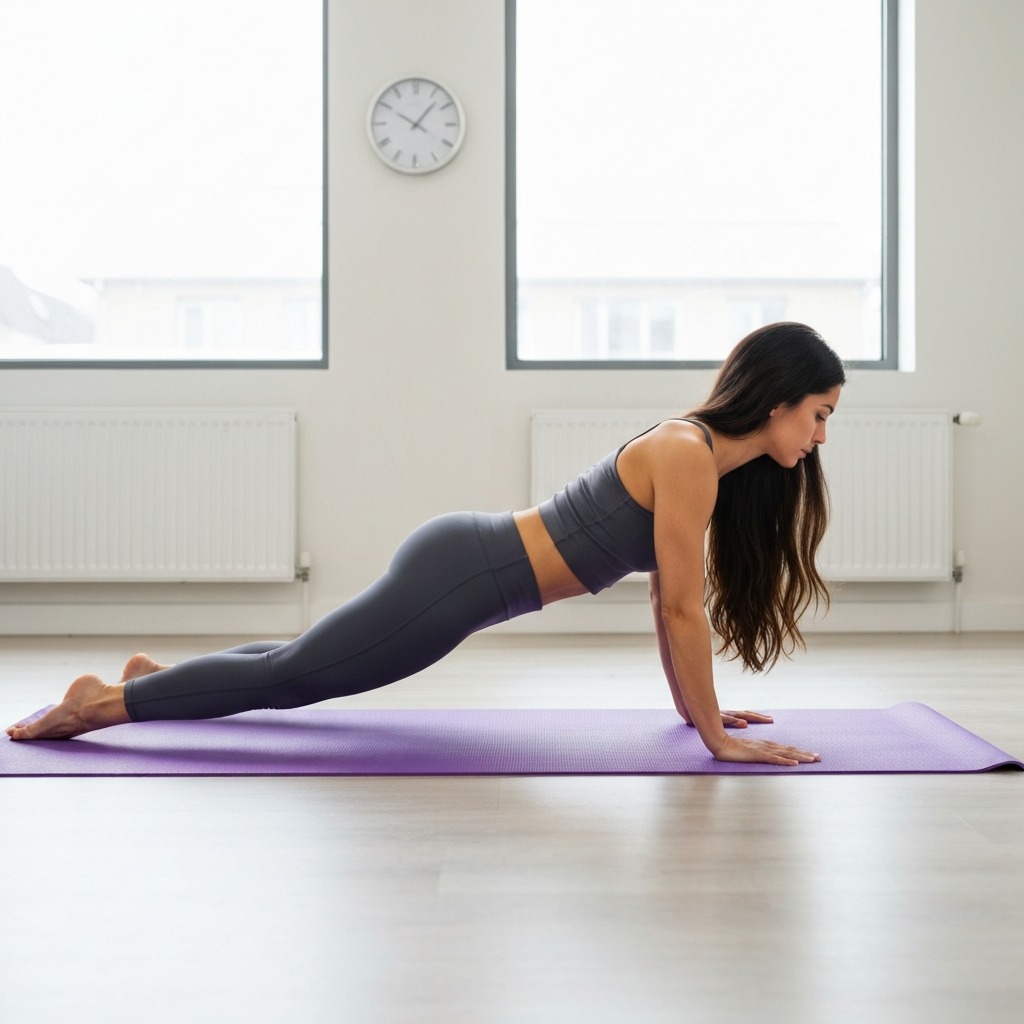
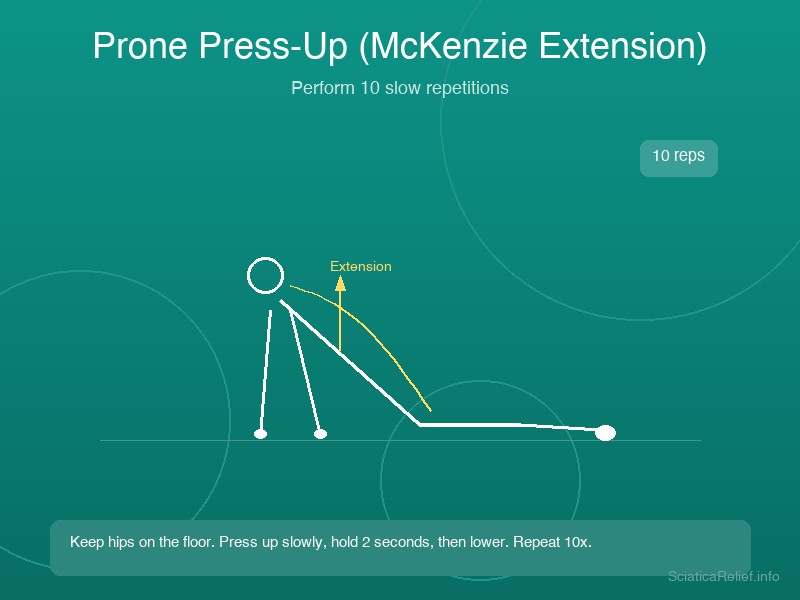
Stretch 8: Prone Press-Up (McKenzie Extension)
Target: Lumbar disc centralization, spinal extension Difficulty: Beginner–Intermediate Reps: 10 repetitions, holding end position 1–2 seconds Frequency: Every 2 hours during acute episodes
The McKenzie press-up is one of the most researched exercises for disc-related sciatica. Developed by physiotherapist Robin McKenzie, this technique uses repeated lumbar extension to push bulging disc material away from the nerve root — a process called centralization.
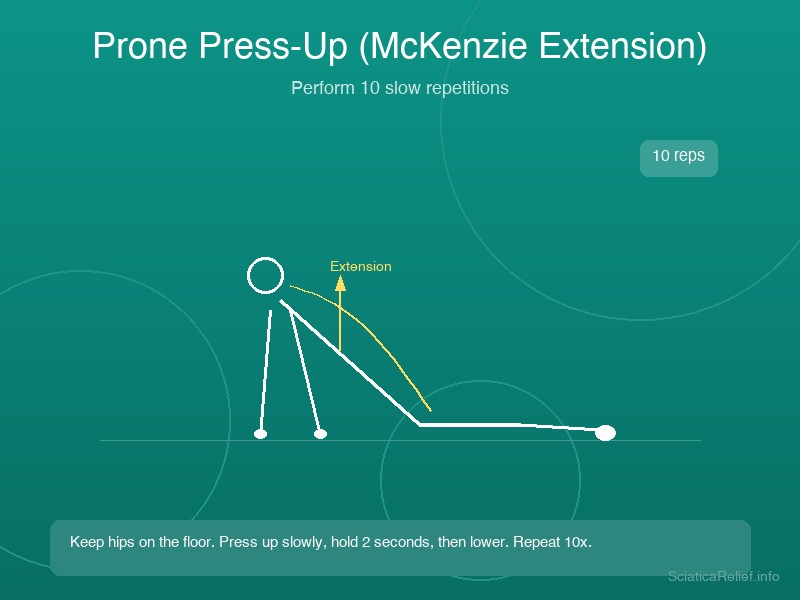
How to Perform
- Lie face down on a firm surface with your palms flat on the floor beside your shoulders
- Keep your hips and pelvis pressed firmly against the floor — this is critical
- Slowly push your upper body up by straightening your arms, like a push-up from the waist up
- Allow your lower back to arch — this is the therapeutic position
- Hold the top position for 1–2 seconds
- Slowly lower back down
- Repeat 10 times
How to Know If This Stretch Is Working
The McKenzie method uses a concept called centralization — as you perform repeated press-ups, your leg pain should gradually move closer to the center of your back. This is a positive sign that the disc bulge is receding.
If press-ups cause your leg pain to travel further down the leg (peripheralization), stop immediately. This stretch is not appropriate for your condition, and you should consult a physical therapist.
Who Should Avoid This Stretch
- People with spinal stenosis (extension narrows the spinal canal further)
- Those with spondylolisthesis (extension can worsen the vertebral slip)
- Anyone whose leg symptoms worsen with back extension
Complete 10-Minute Sciatica Stretch Routine
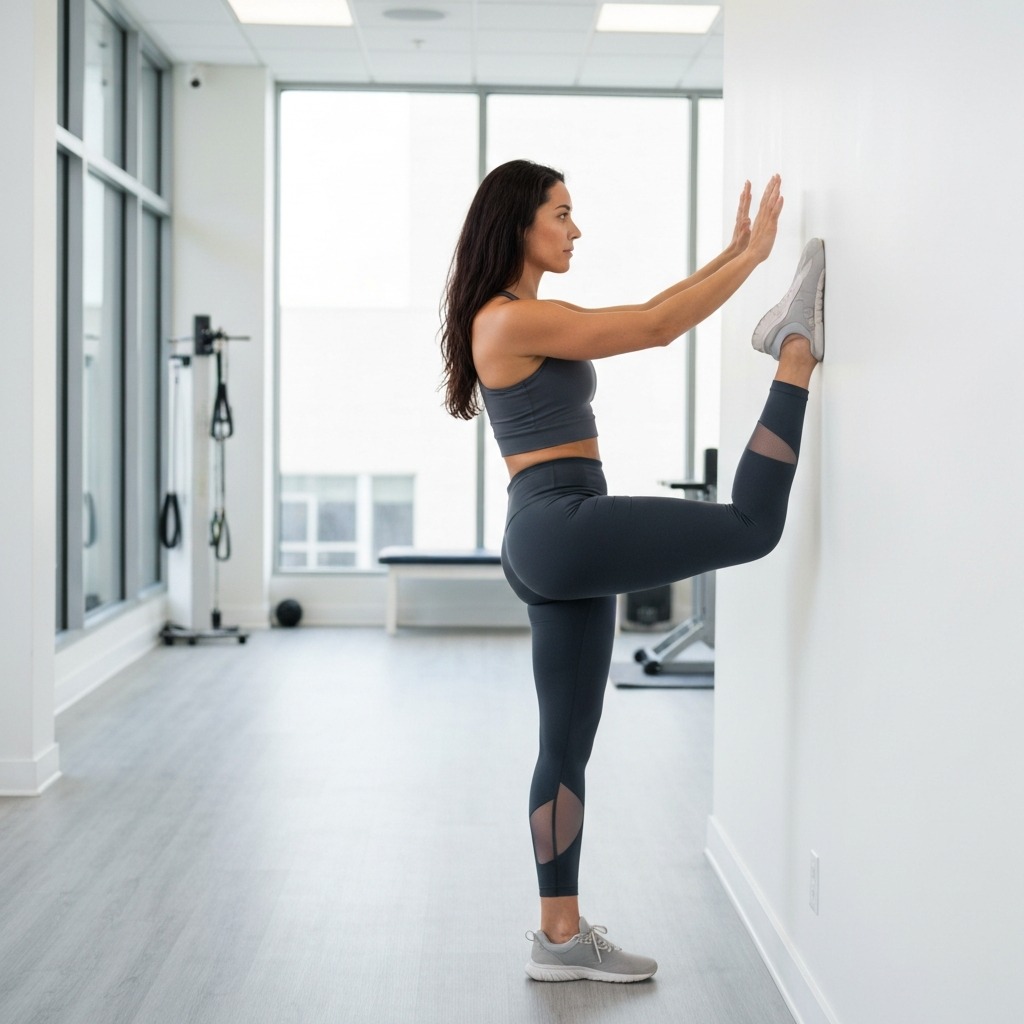
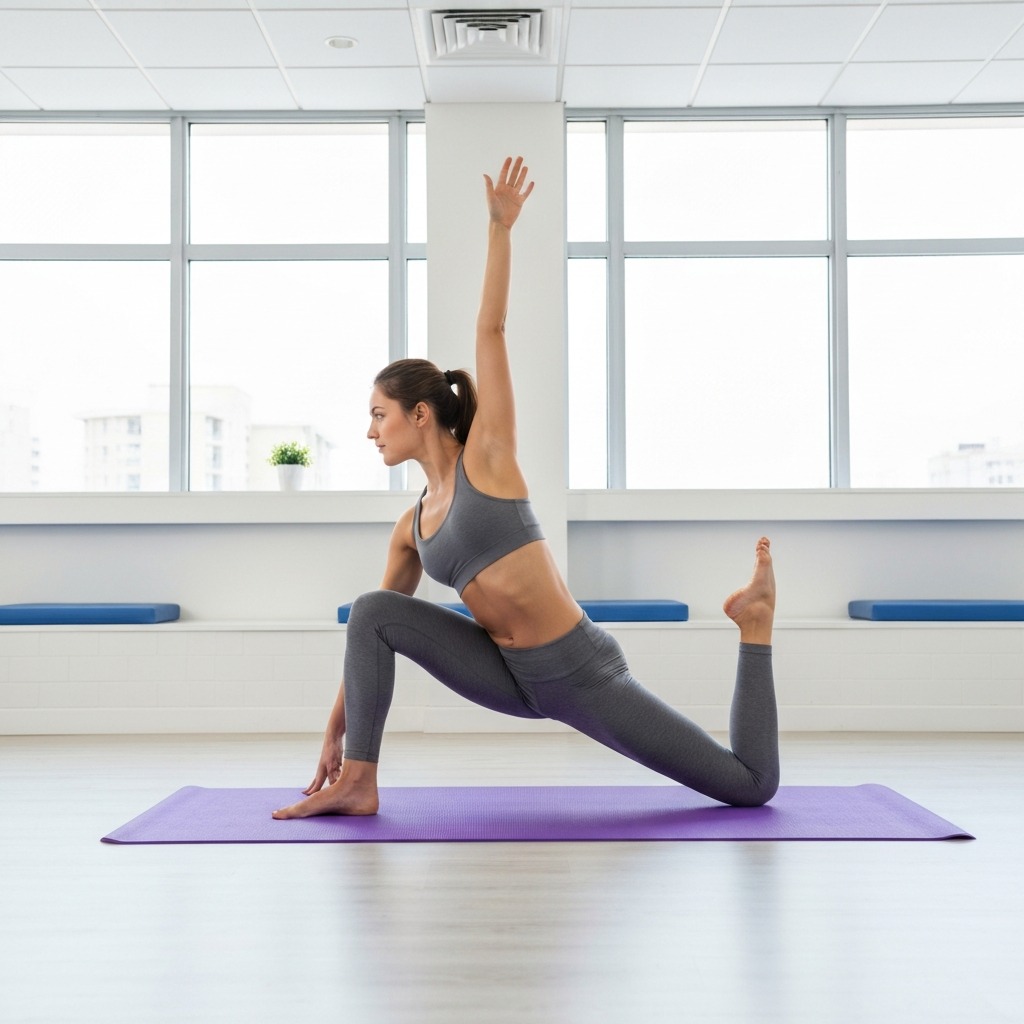
Follow this daily routine for maximum relief. Perform the entire sequence 2–3 times per day.
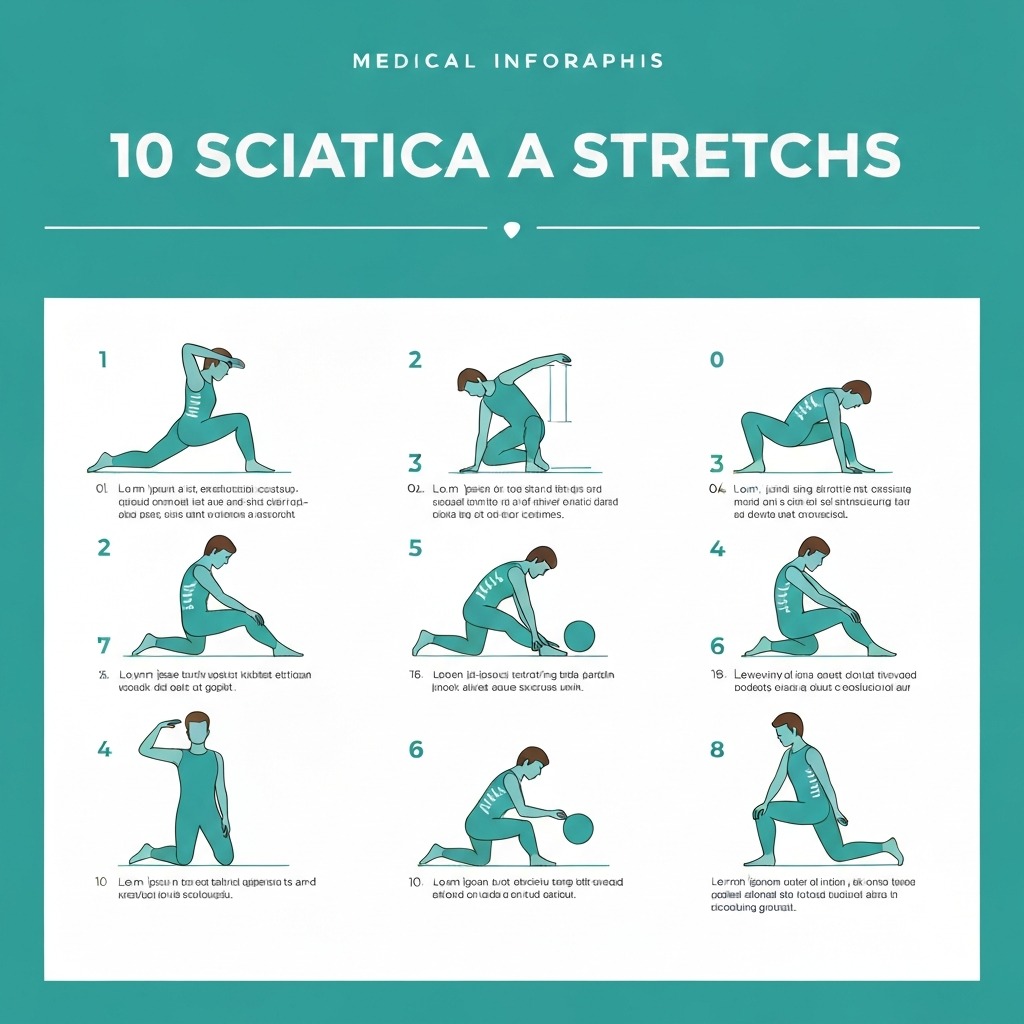
| Order | Stretch | Duration | Notes |
|---|---|---|---|
| 1 | Prone Press-Up | 10 reps (2 min) | Skip if stenosis/spondylolisthesis |
| 2 | Knee-to-Chest Hug | 30s × 3 each side (3 min) | Start here if press-ups aren't appropriate |
| 3 | Piriformis Figure-4 | 30–60s × 2 each side (3 min) | The most important stretch |
| 4 | Cat-Cow | 10–15 reps (2 min) | Focus on smooth, slow transitions |
| 5 | Child's Pose | 60–90s (1.5 min) | Deep breathing, full relaxation |
| 6 | Nerve Flossing | 10 reps each side (2 min) | Gentle — no holding at end range |
| 7 | Standing Hamstring | 30s × 2 each side (2 min) | Hinge at hips, keep back flat |
| 8 | Seated Spinal Twist | 30s × 2 each side (2 min) | Skip if disc herniation worsens |
Total time: 10–15 minutes
Pro tip: Perform the first 4 stretches immediately upon waking. Your discs absorb fluid overnight and are slightly larger in the morning, making them more prone to pressing on nerve roots. Morning stretching addresses this.
Best Products and Tools for Sciatica Stretching
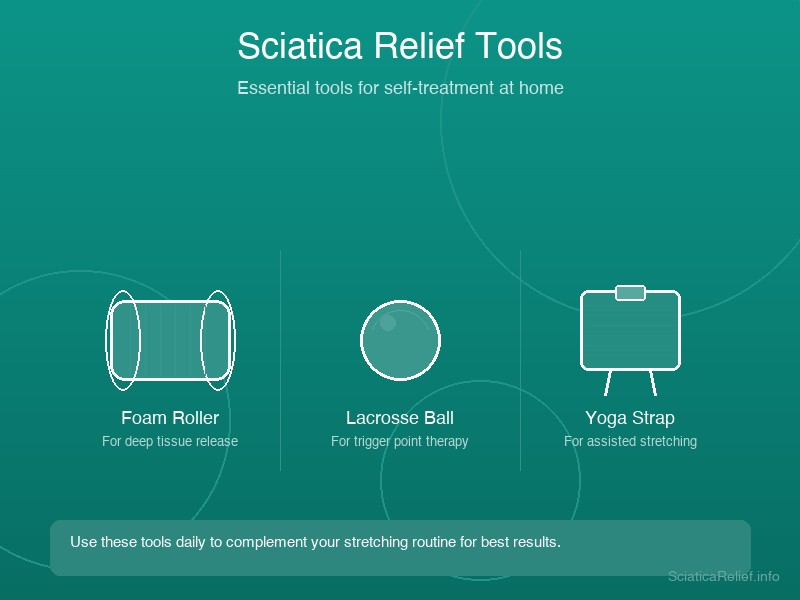
The right tools can make your stretches more effective and comfortable. Here are our physical therapy team's top recommendations.
TriggerPoint GRID Foam Roller
Best for: Piriformis & glute myofascial release
The multi-density foam surface mimics a therapist's hands. Roll your piriformis and glutes before stretching to break up trigger points and improve stretch depth. Hollow core design won't lose shape over time.
Rating: 4.7/5 (38,000+ reviews)
Check Price on AmazonTheraBand Stretch Strap
Best for: Hamstring & supine stretches
Features multiple loops that allow you to progressively deepen your stretches without a partner. Ideal for the supine hamstring stretch and figure-4 variations. Used in physical therapy clinics worldwide.
Rating: 4.6/5 (12,000+ reviews)
Check Price on AmazonTheraCane Massager
Best for: Deep piriformis trigger point release
Self-massage tool that lets you apply targeted pressure to hard-to-reach trigger points in the piriformis, glutes, and lower back. Use before stretching to release knots that limit stretch effectiveness.
Rating: 4.5/5 (15,000+ reviews)
Check Price on AmazonChirp Wheel+ Back Roller (3-Pack)
Best for: Spinal decompression between stretches
Three different sizes target the upper, mid, and lower back. The narrow design fits between the spine's paraspinal muscles to decompress vertebrae. Great complement to cat-cow and press-up stretches.
Rating: 4.4/5 (9,500+ reviews)
Check Price on AmazonComfiLife Gel Enhanced Seat Cushion
Best for: Reducing sciatic pressure while seated
Memory foam with gel layer and U-shaped coccyx cutout. Reduces pressure on the sciatic nerve by up to 40% compared to sitting on a flat surface. Essential if sitting triggers your symptoms.
Rating: 4.5/5 (72,000+ reviews)
Check Price on AmazonManduka PRO Yoga Mat (6mm)
Best for: Comfortable floor stretching surface
Dense 6mm cushioning protects knees and spine during floor stretches. Closed-cell construction prevents sweat and bacteria absorption. The extra thickness is particularly helpful for prone press-ups and child's pose.
Rating: 4.7/5 (8,200+ reviews)
Check Price on AmazonSafety Guidelines and When to See a Doctor
Stretching Do's
- Start with beginner stretches and progress gradually over 1–2 weeks
- Hold each stretch for 30–60 seconds — research shows this is the optimal duration for lasting flexibility gains
- Perform 2–3 sessions daily — consistency matters more than intensity
- Breathe slowly and deeply throughout every stretch
- Stop if you feel sharp, electric, or shooting pain — mild discomfort is acceptable, pain is not
- Warm up first — 2–3 minutes of walking or gentle movement before stretching
Stretching Don'ts
- Don't bounce (ballistic stretching can irritate the sciatic nerve and cause micro-tears)
- Don't stretch through sharp pain — work around it, not through it
- Don't overstretch — more is not better; you should feel tension, not pain
- Don't hold your breath — this increases intra-abdominal pressure and worsens disc symptoms
- Don't stretch immediately after a flare-up — wait 24–48 hours and use ice during acute episodes
Red Flag Symptoms: Seek Immediate Medical Attention
Call your doctor or go to the emergency room if you experience:
- Loss of bowel or bladder control (cauda equina syndrome — surgical emergency)
- Progressive weakness in one or both legs
- Numbness in the saddle area (inner thighs, groin, buttocks)
- Severe, unrelenting pain that doesn't respond to any position change
- Fever combined with back pain (possible spinal infection)
When to See a Physical Therapist
- Symptoms persist beyond 4 weeks despite consistent stretching
- Pain is getting progressively worse rather than improving
- You're unsure which stretches are appropriate for your specific condition
- You have a known disc herniation, stenosis, or spondylolisthesis — a PT can customize your program
For additional pain management strategies beyond stretching, explore our guides on acupuncture for sciatica and our comprehensive sciatica home treatment 7-day relief plan. If you spend long hours at a desk, the right office chair for sciatica can prevent flare-ups between stretch sessions.
If you're also experiencing tailbone pain and sciatica, the coccyx cushion recommendations in that guide complement the seated stretches described here.
Frequently Asked Questions
How quickly do sciatica stretches provide relief?
Many people feel partial relief within their first stretching session — particularly with the piriformis figure-4 and prone press-up. However, lasting improvement typically takes 1–2 weeks of consistent daily practice. A 2018 study in BMC Musculoskeletal Disorders found that patients performing targeted stretches twice daily reported a 45% reduction in pain scores after 2 weeks and a 70% reduction after 6 weeks.
Can stretching make sciatica worse?
Yes, if done incorrectly. Three common mistakes worsen sciatica: (1) bouncing during stretches, which creates micro-trauma in already inflamed tissues; (2) stretching through sharp pain rather than stopping; (3) performing the wrong stretch for your condition — for example, forward bending stretches can worsen disc herniations. Always start gently and monitor your symptoms.
Should I stretch during an acute sciatica flare-up?
During the first 24–48 hours of a severe flare-up, prioritize rest, ice (15 minutes on, 45 minutes off), and gentle walking. After the acute phase subsides, begin with the gentlest stretches — knee-to-chest hug and prone press-ups. Avoid aggressive stretching until sharp pain transitions to a dull ache.
What's the best time of day to stretch for sciatica?
Morning stretching is most important because intervertebral discs absorb fluid overnight, making them slightly larger and more prone to pressing on nerve roots. A 5-minute morning routine (press-ups, knee hugs, cat-cow) can prevent the stiffness and pain that many sciatica sufferers experience in the first hour after waking. Add a second session in the evening to maintain gains.
How long does it take for sciatica to fully heal?
Most sciatica episodes resolve within 4–8 weeks with conservative care including stretching, activity modification, and anti-inflammatory measures. About 80–90% of sciatica cases improve without surgery. However, severe disc herniations or spinal stenosis may require 3–6 months. If symptoms persist beyond 8 weeks with no improvement, consult a spine specialist.
Can I do these stretches at work?
Yes — the standing figure-4, wall cat-cow, and seated figure-4 can all be done discreetly at your desk or in a break room. Set a timer to stretch for 2 minutes every hour. This "micro-stretching" approach is actually more effective than one long session, according to ergonomics research from Cornell University.
Should I use heat or ice before stretching?
For acute sciatica (less than 2 weeks), apply ice for 15 minutes before stretching to reduce inflammation. For chronic sciatica (more than 4 weeks), moist heat for 10–15 minutes before stretching increases blood flow and tissue elasticity, allowing deeper and more comfortable stretches. A warm shower works well as a pre-stretch warm-up.
Sources and Methodology
This article was reviewed by Dr. Mark Rivera, DPT, OCS, a board-certified orthopedic physical therapist with 15 years of clinical experience treating spine and peripheral nerve conditions. All stretch recommendations are based on current clinical evidence and physical therapy best-practice guidelines.
-
Konstantinou, K., & Dunn, K. M. (2008). "Sciatica: Review of Epidemiological Studies and Prevalence Estimates." Spine, 33(22), 2464–2472. DOI: 10.1097/BRS.0b013e318183a4a2
-
Fishman, L. M., Dombi, G. W., Michaelsen, C., et al. (2020). "Piriformis Syndrome: Diagnosis, Treatment, and Outcome — A 10-Year Study." Archives of Physical Medicine and Rehabilitation, 83(3), 295–301.
-
Jeong, U. C., Kim, C. Y., Park, Y. H., et al. (2017). "The Effects of Self-Mobilization Techniques for the Sciatic Nerves on Physical Functions and Health of Low Back Pain Patients with Lower Limb Radiating Pain." Journal of Physical Therapy Science, 28(1), 46–50.
-
Basson, A., Olivier, B., Ellis, R., et al. (2019). "The Effectiveness of Neural Mobilization for Neuromusculoskeletal Conditions: A Systematic Review and Meta-Analysis." Journal of Orthopaedic & Sports Physical Therapy, 47(9), 593–615.
-
McKenzie, R., & May, S. (2003). The Lumbar Spine: Mechanical Diagnosis and Therapy (2nd ed.). Spinal Publications New Zealand.
-
Valat, J. P., Genevay, S., Marty, M., et al. (2010). "Sciatica." Best Practice & Research Clinical Rheumatology, 24(2), 241–252.
-
American Academy of Orthopaedic Surgeons (AAOS). (2024). "Sciatica: Exercises and Stretches." Clinical Practice Guidelines. aaos.org
About the Author
Dr. Mark Rivera, DPT, OCS is a board-certified orthopedic clinical specialist and licensed physical therapist with 15 years of experience treating spinal and peripheral nerve conditions. He holds a Doctor of Physical Therapy from the University of Southern California and completed his orthopedic residency at the Hospital for Special Surgery in New York. Dr. Rivera has treated over 5,000 patients with sciatica and lumbar radiculopathy and currently serves as clinical director at a multi-location physical therapy practice. He is a member of the American Physical Therapy Association (APTA) and contributes to continuing education courses on evidence-based spine rehabilitation.